Brussels, September 30, 2026
Europe’s nuclear medicine community has called for a new European access roadmap to ensure that advances in nuclear medicine translate into faster and more equitable access for patients across the continent.
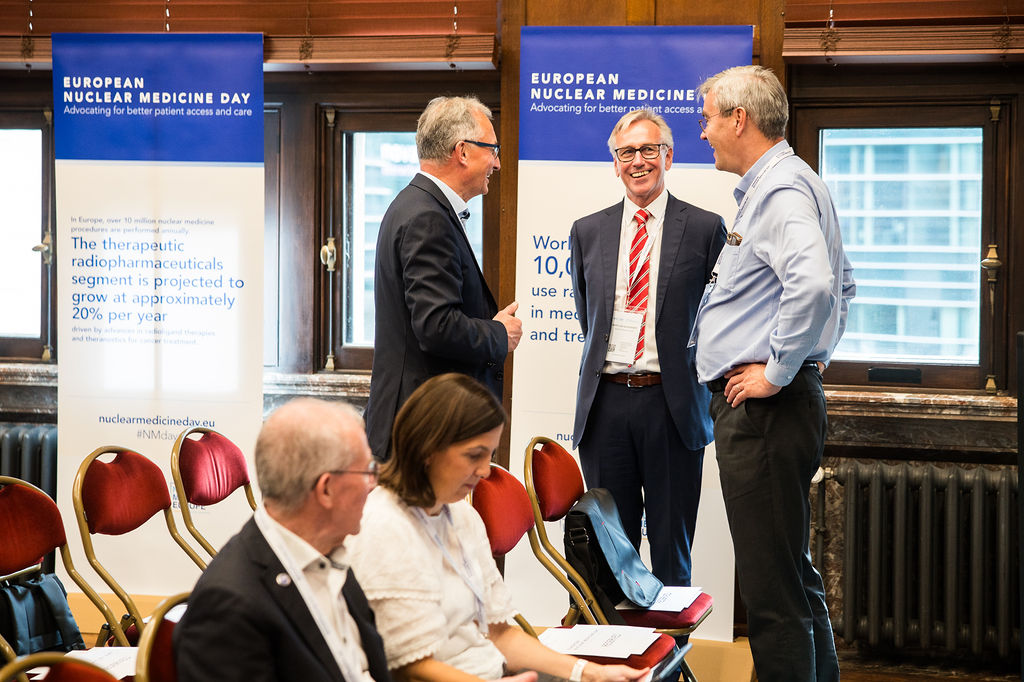
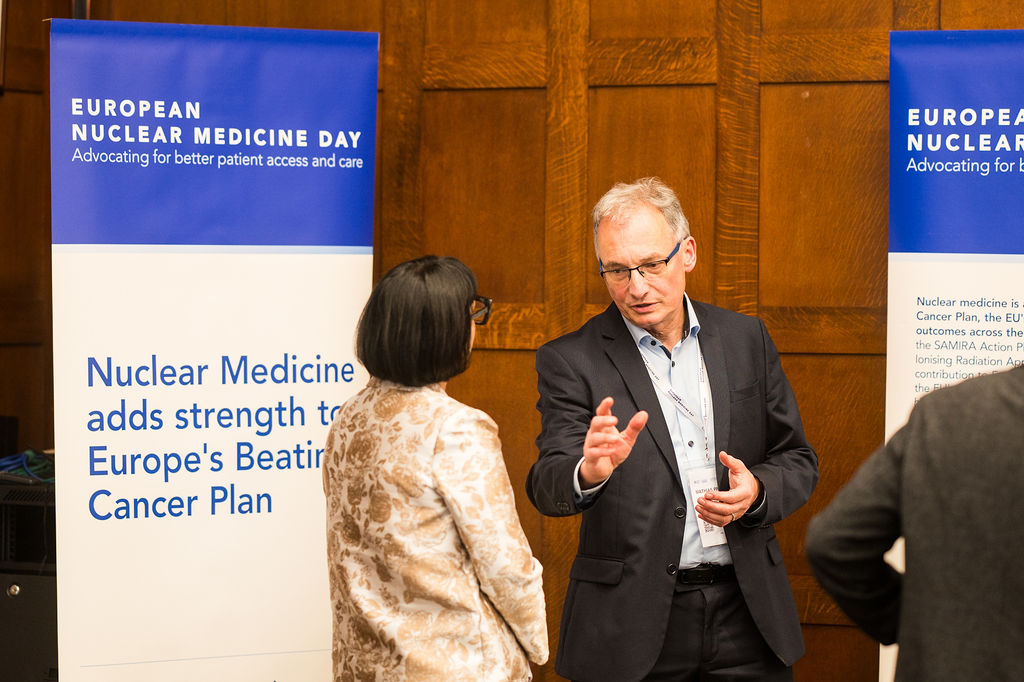
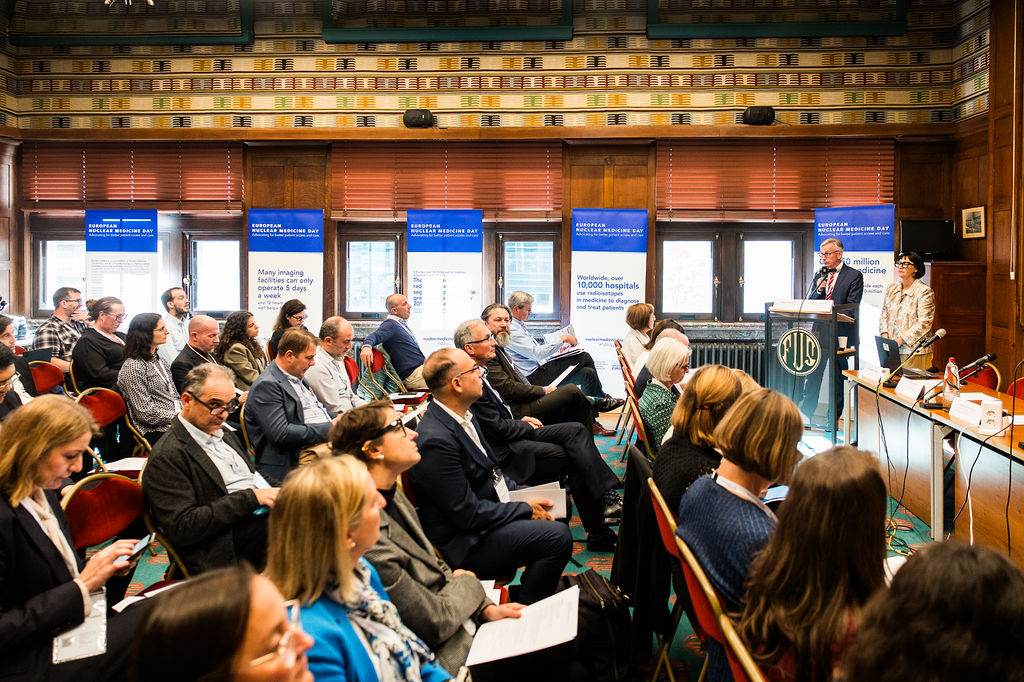
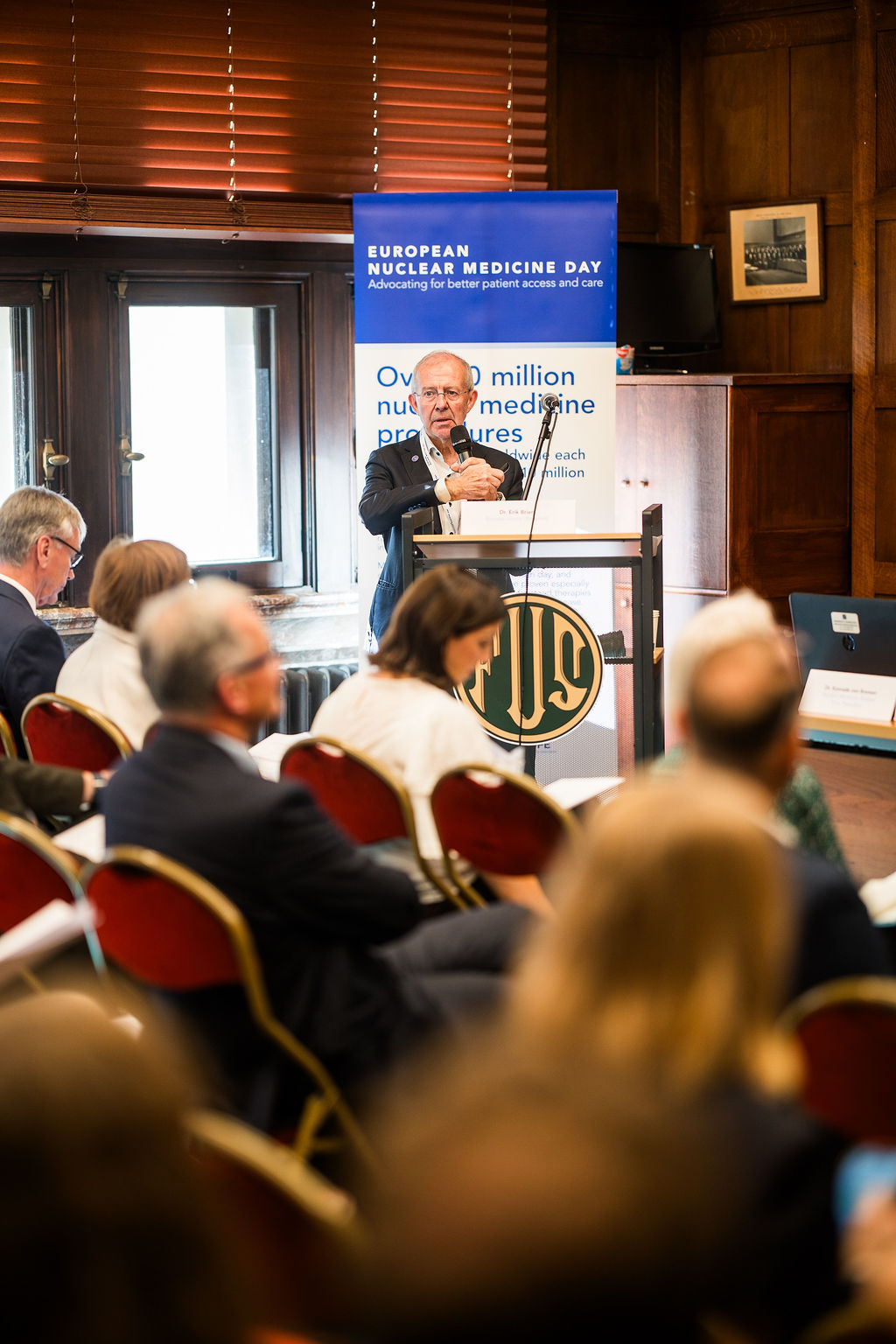
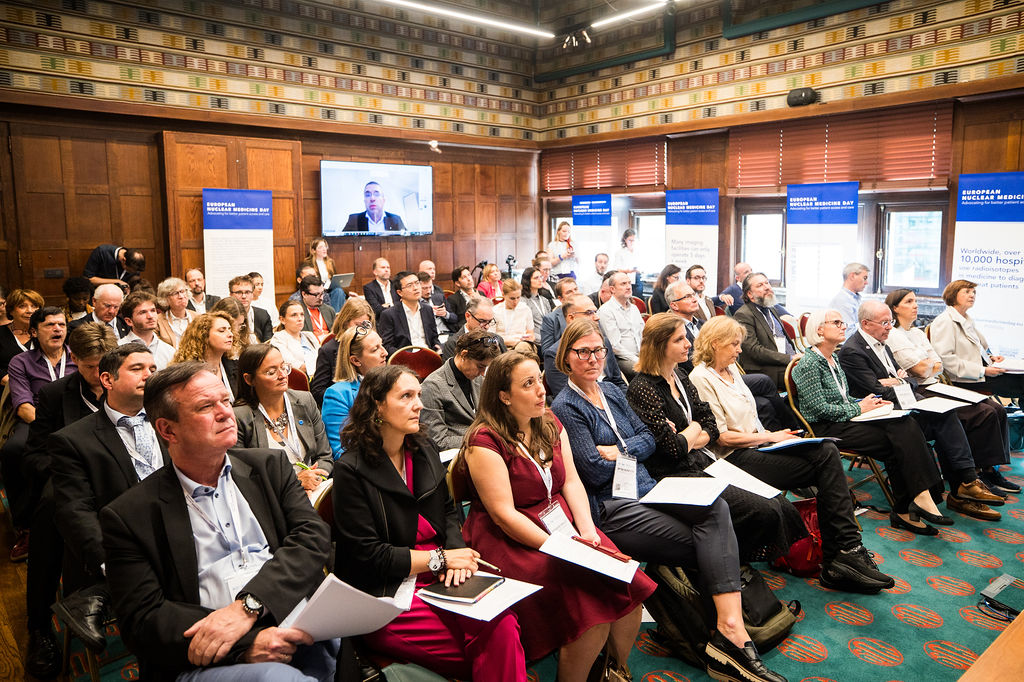
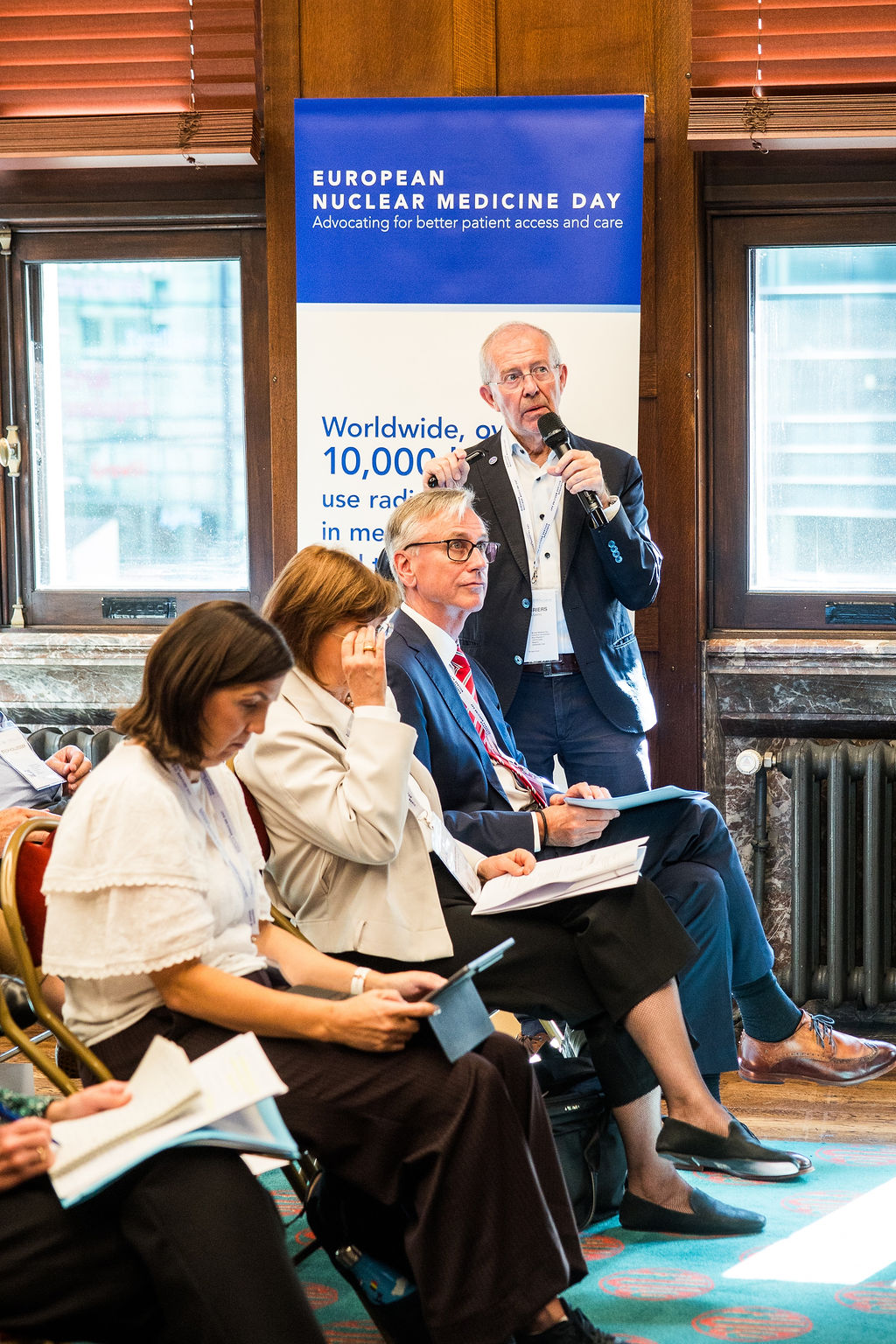
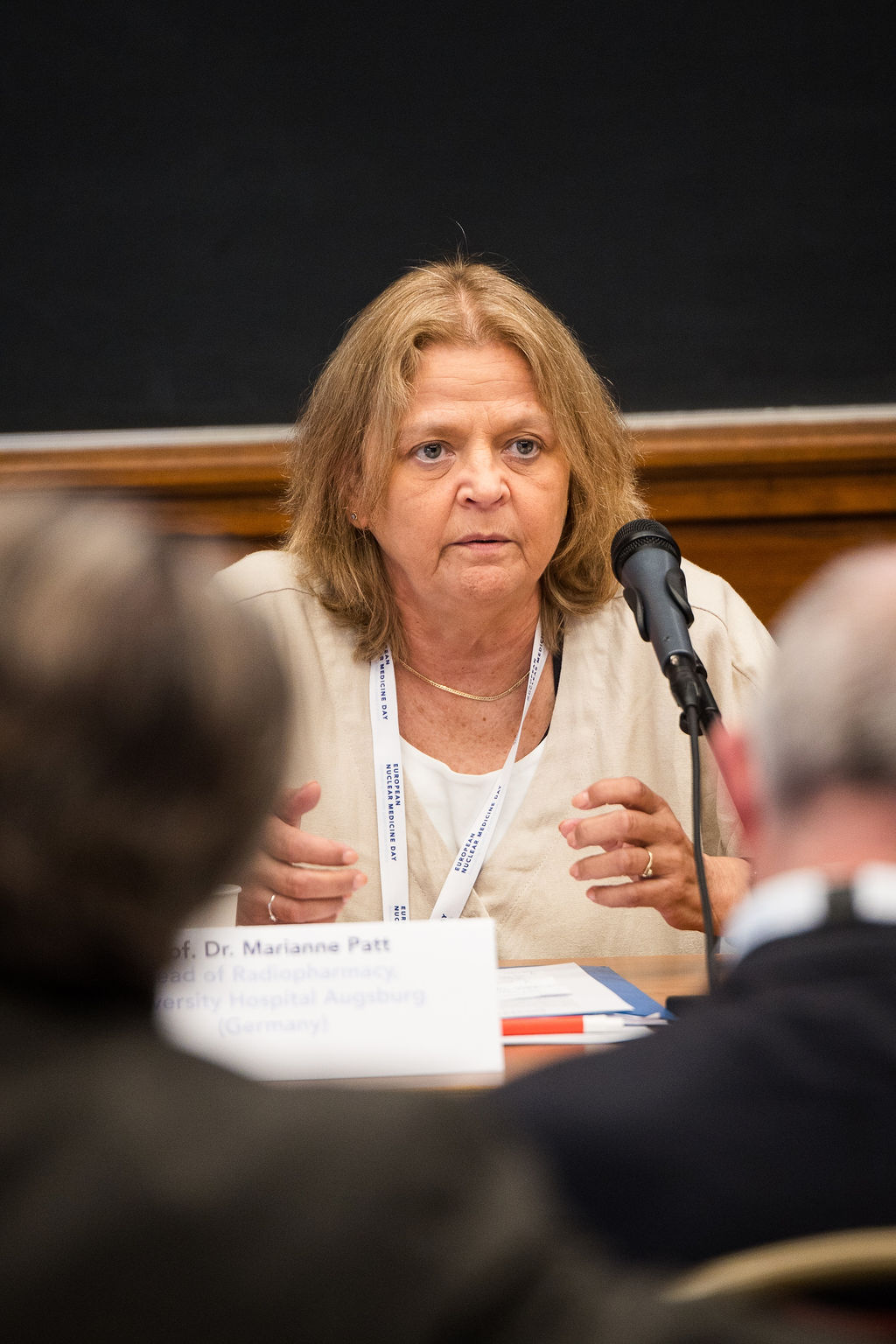
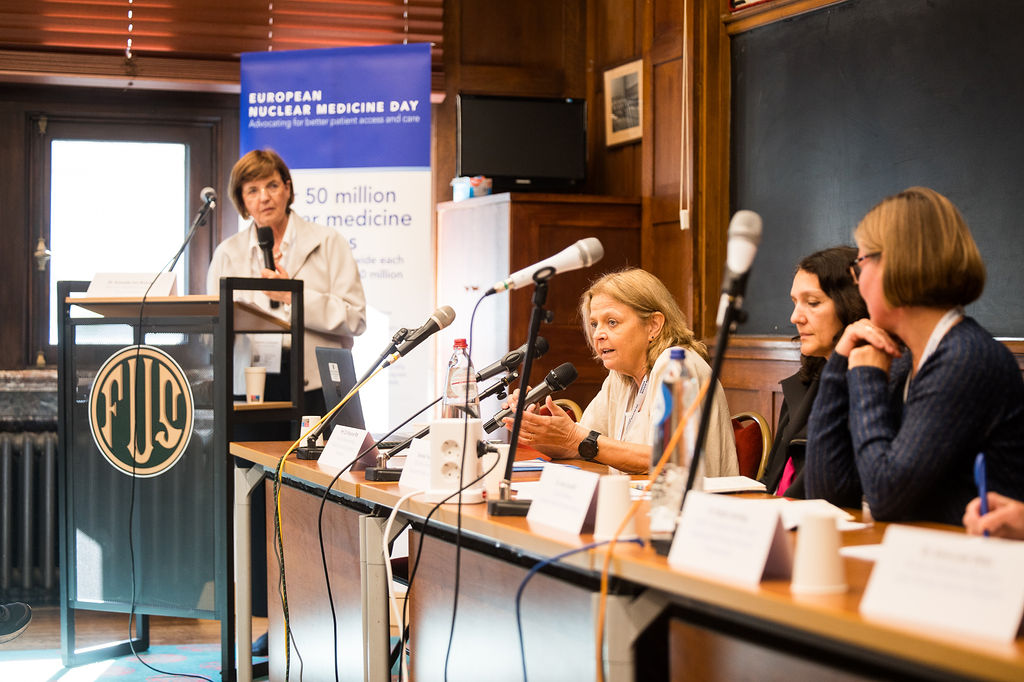
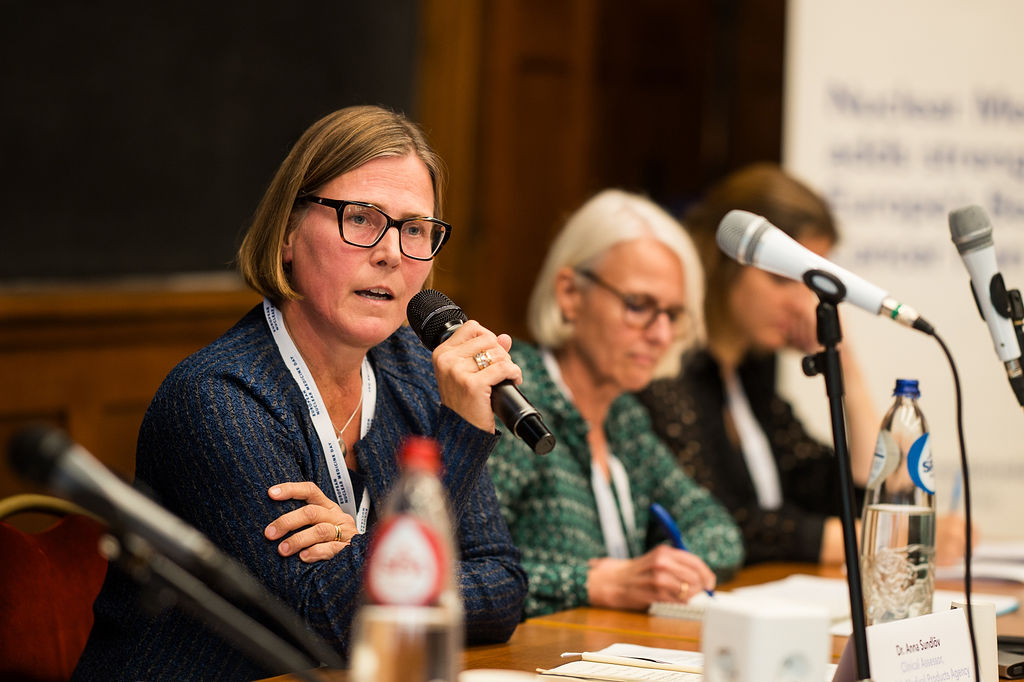
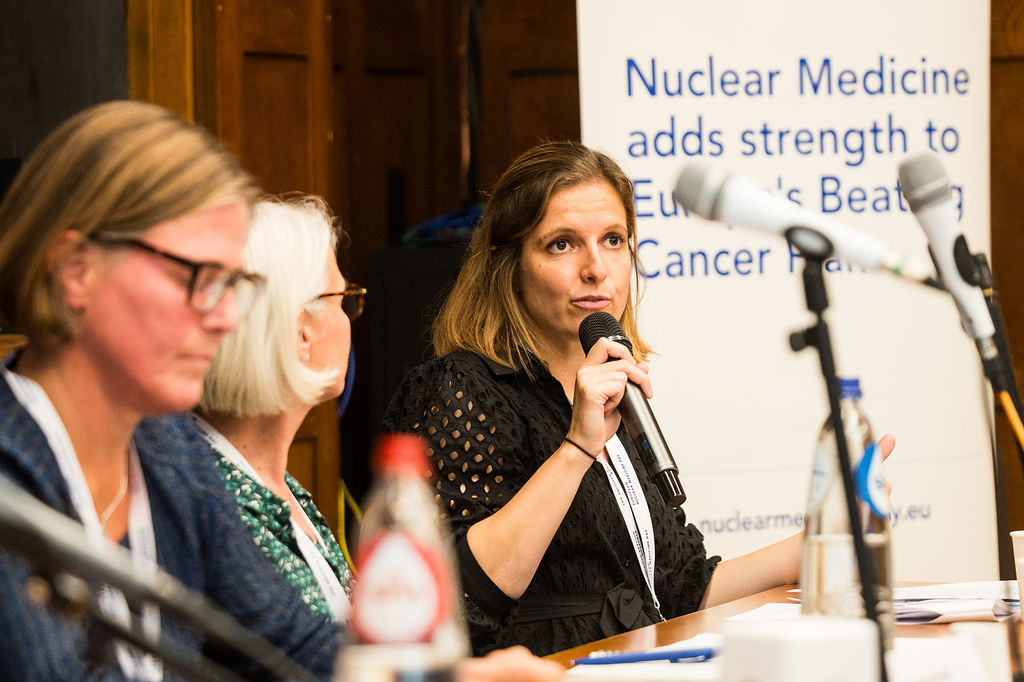
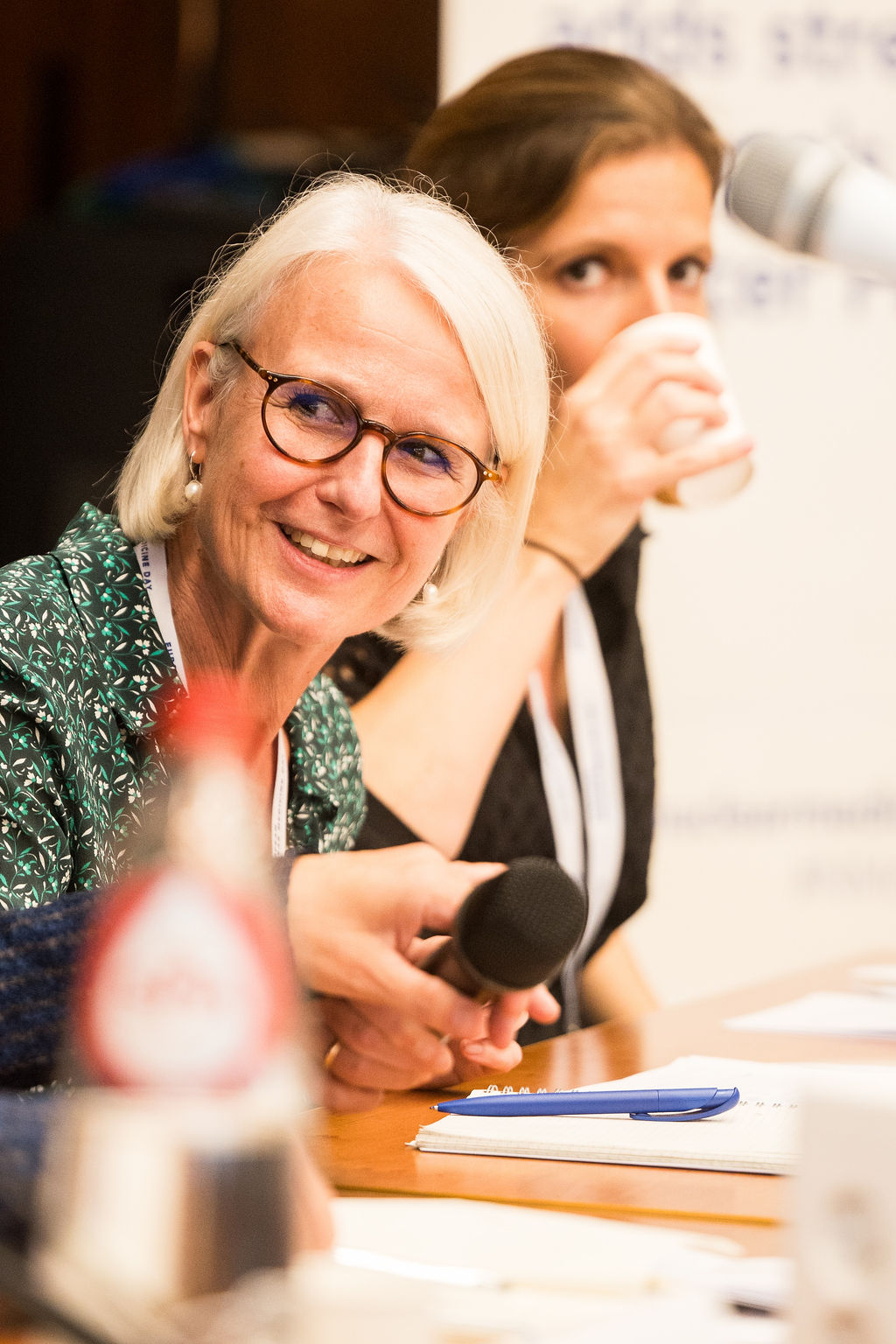
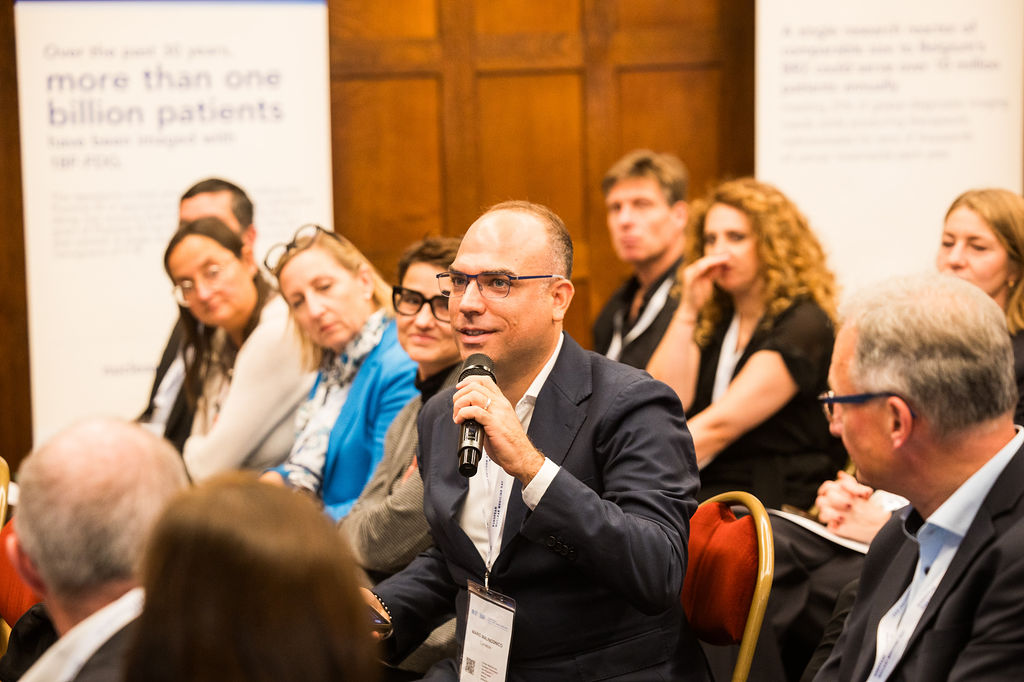
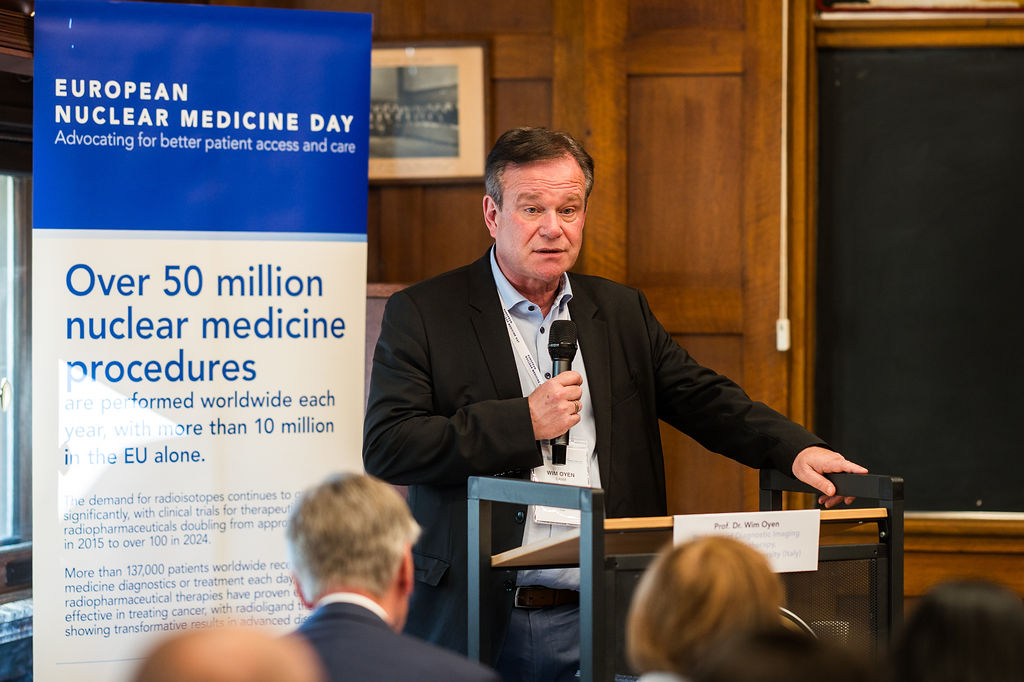
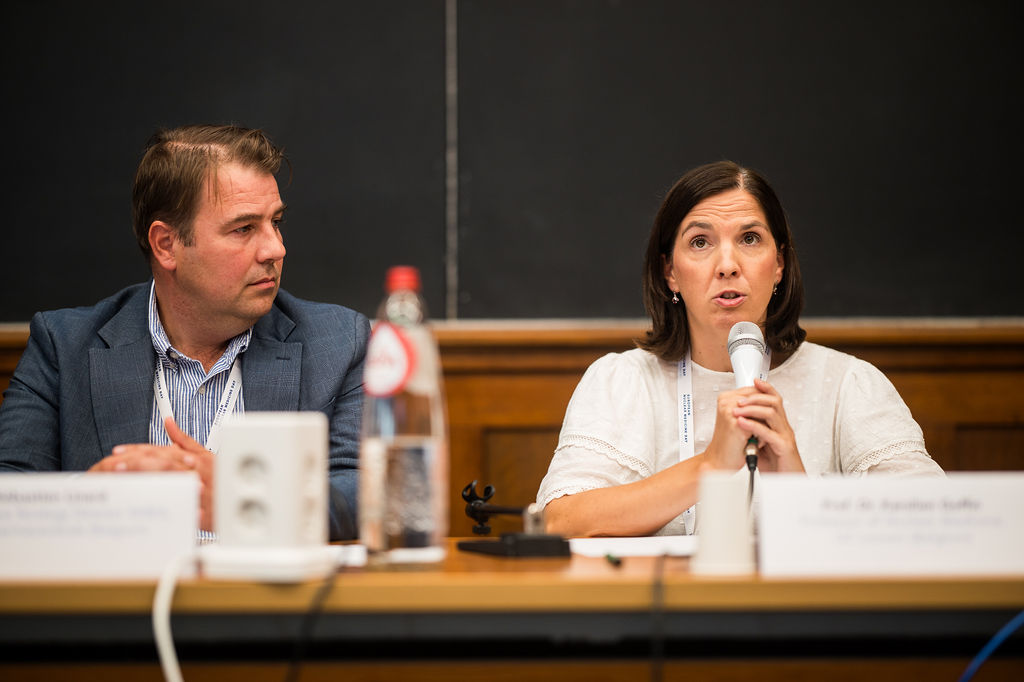
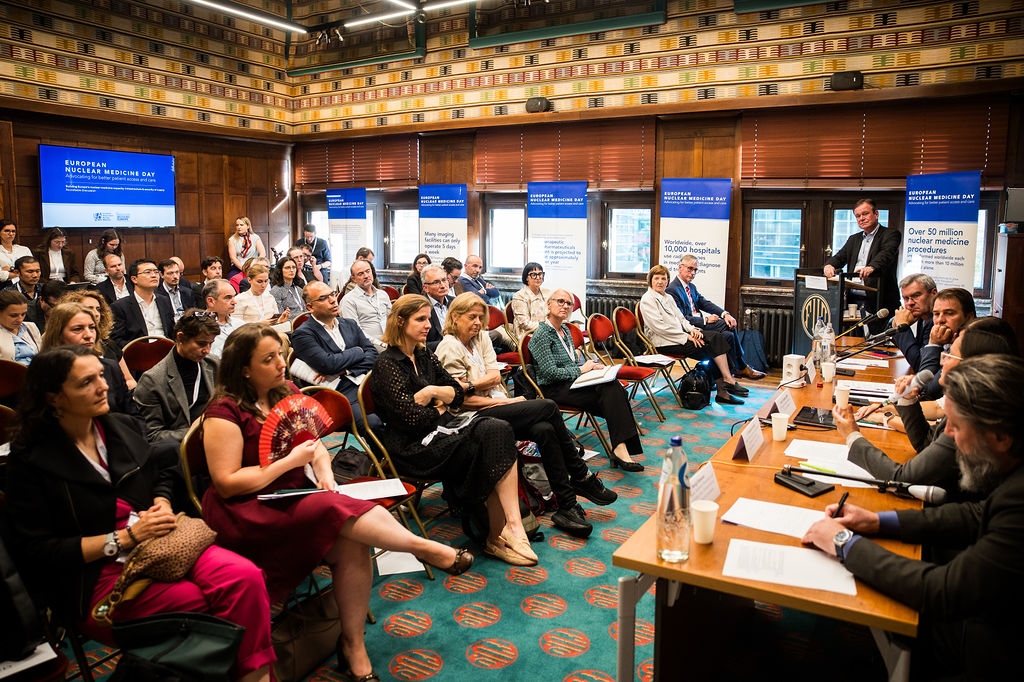
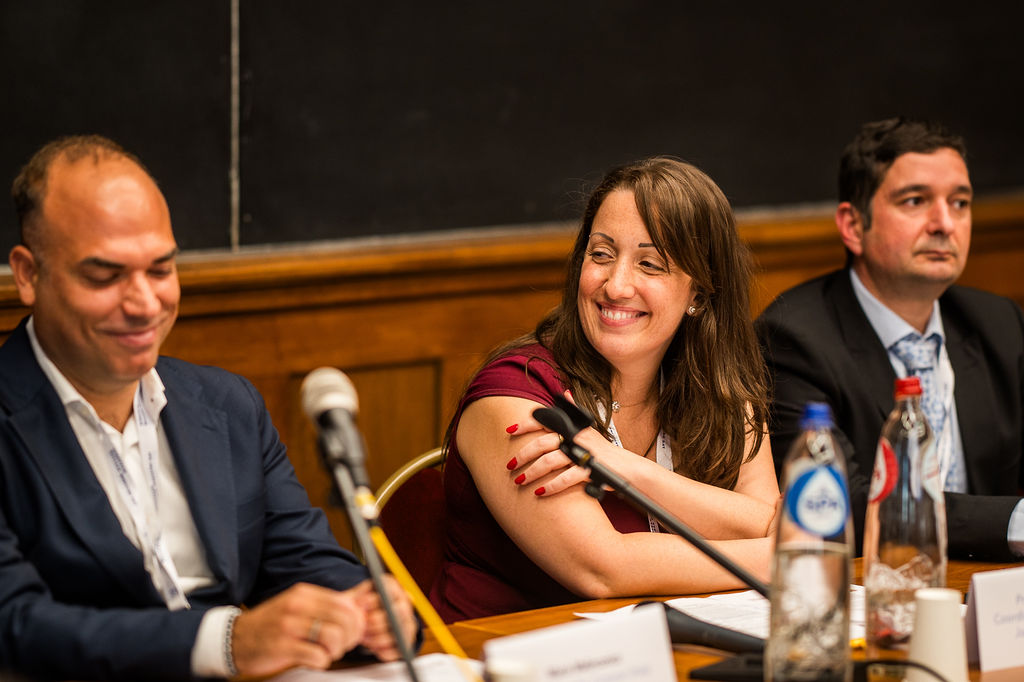
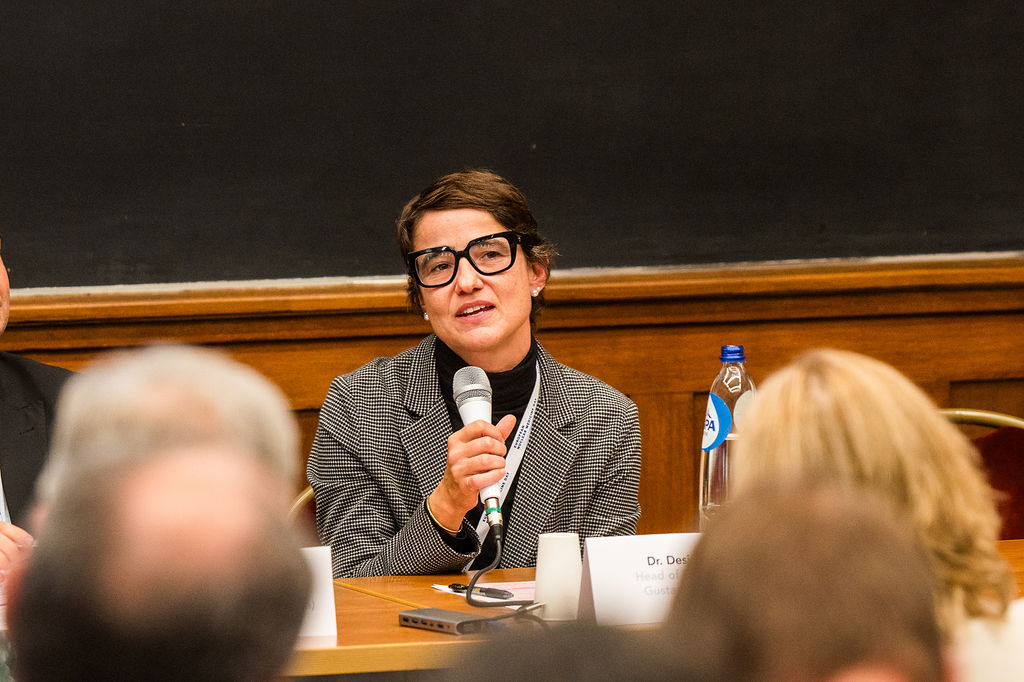
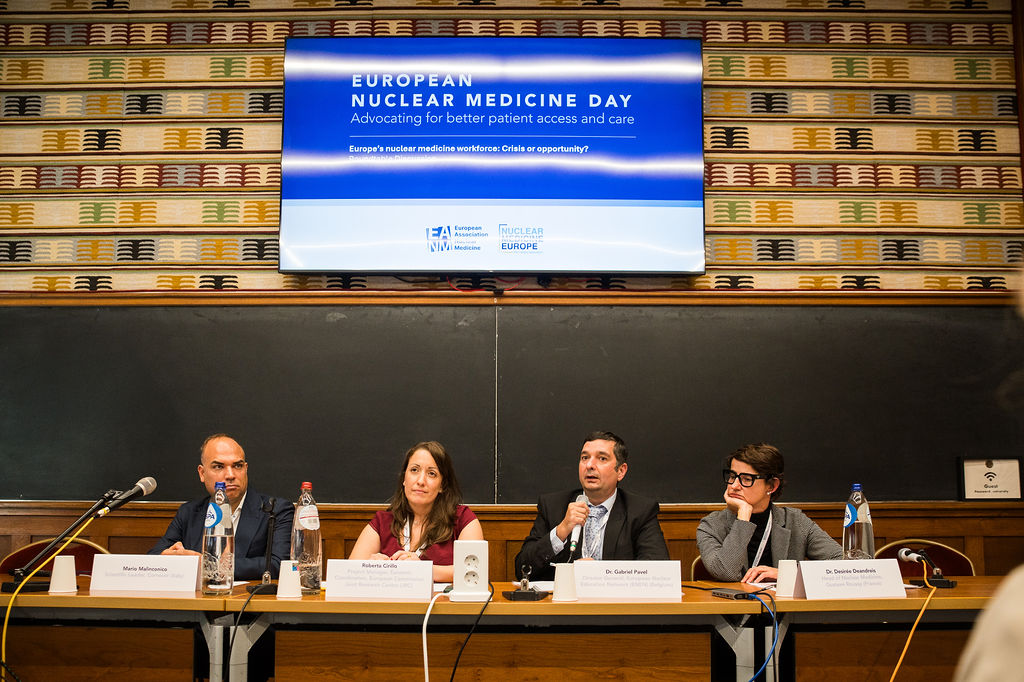
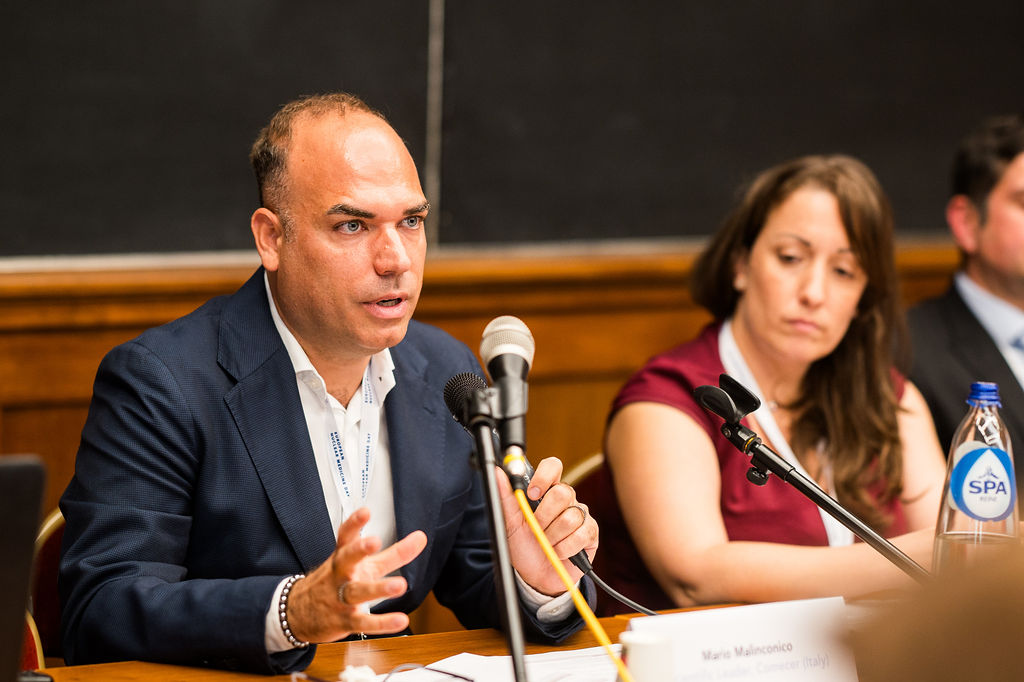
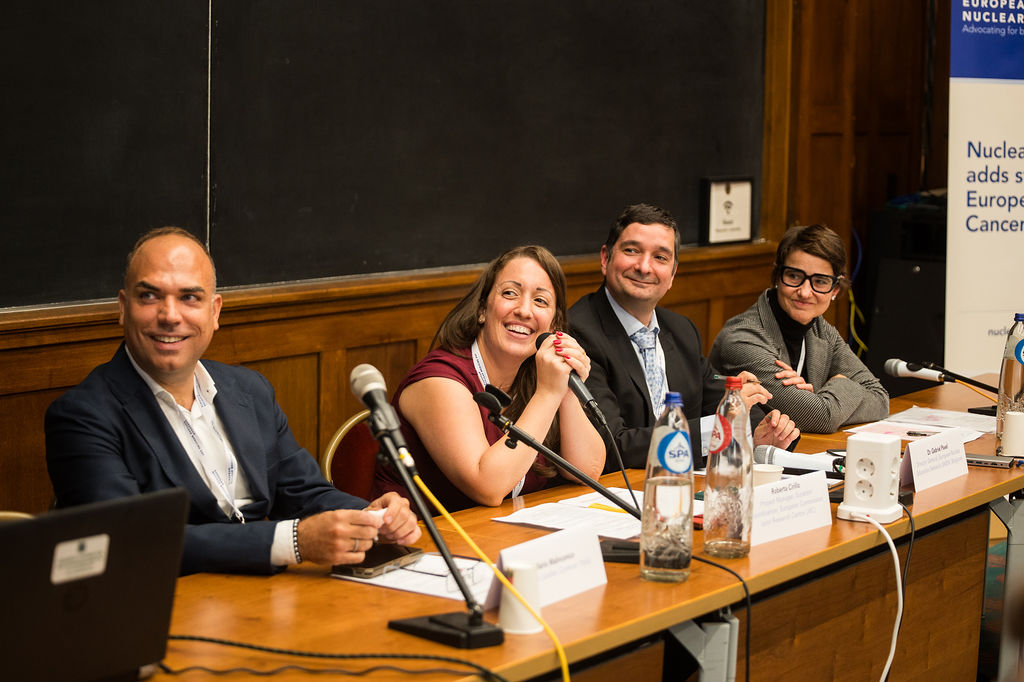
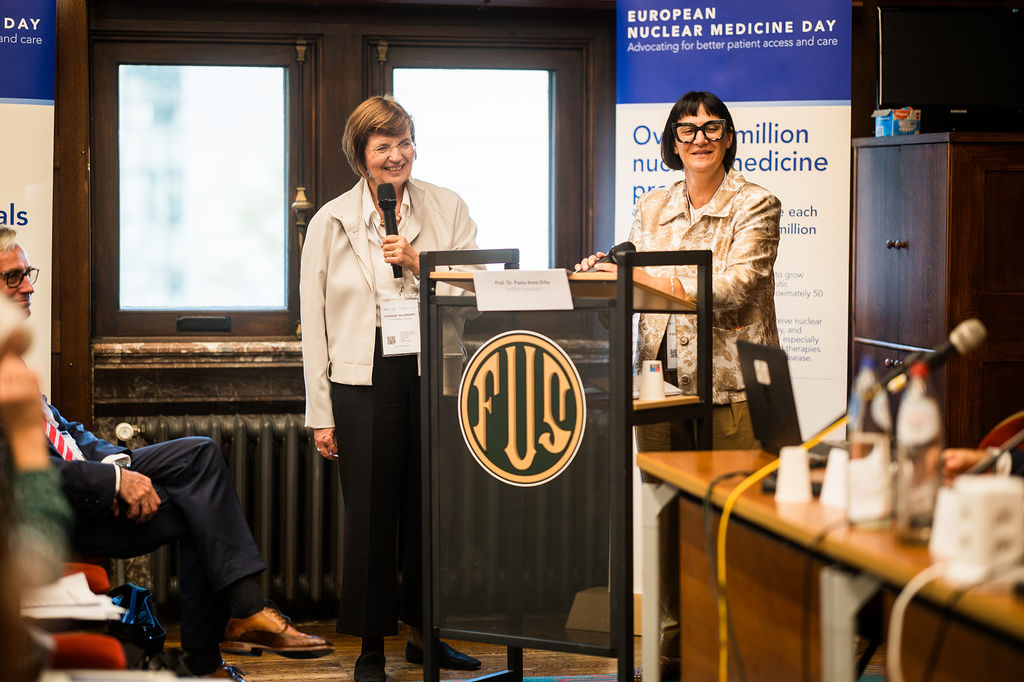
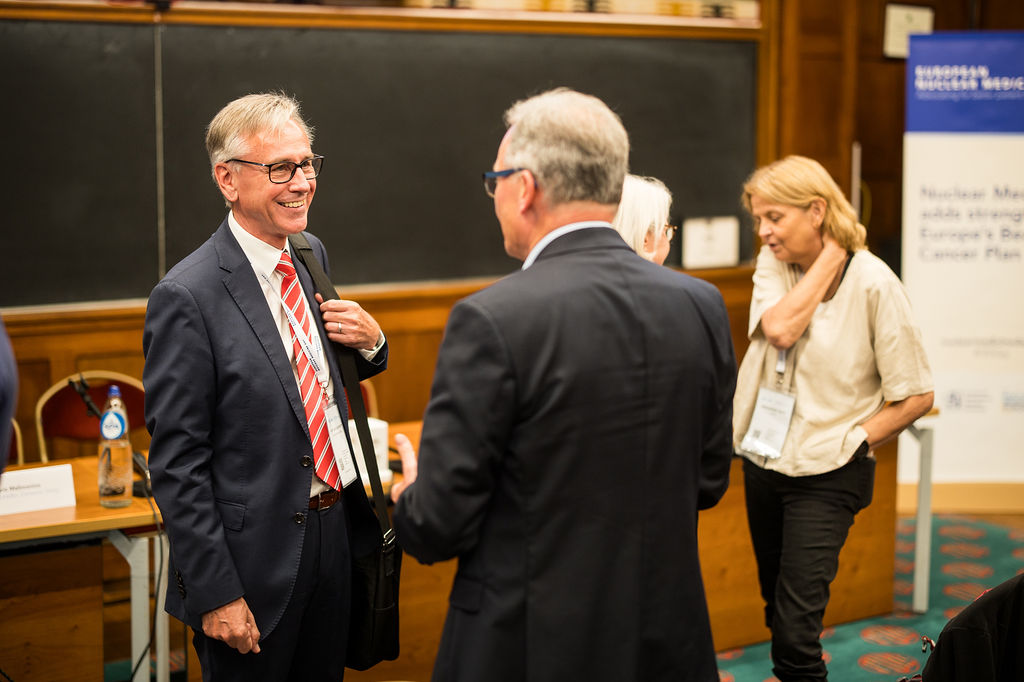
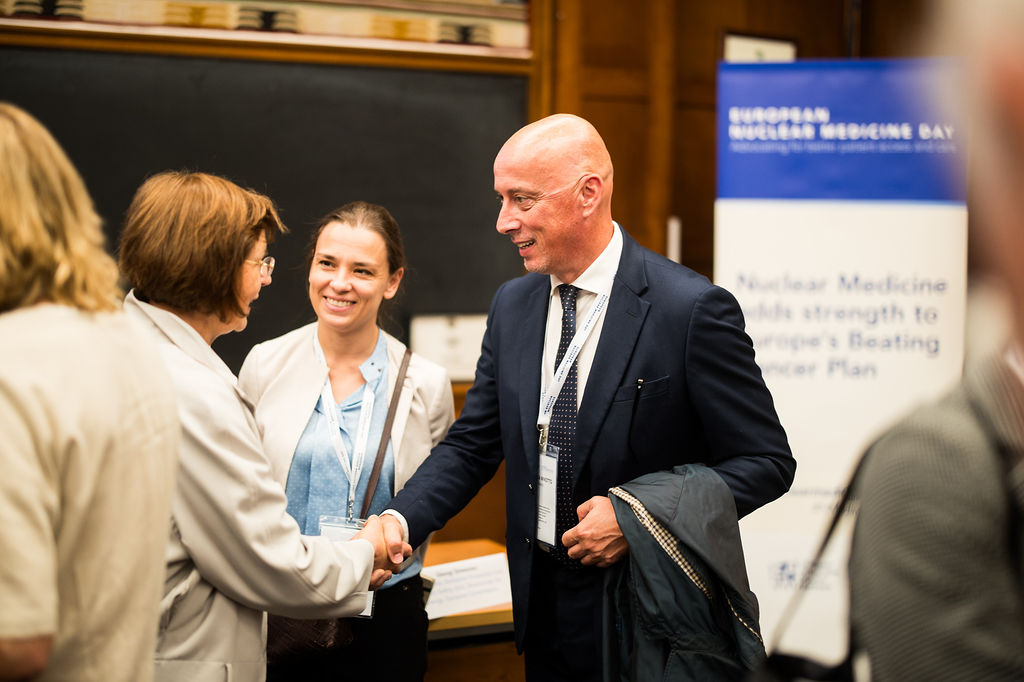
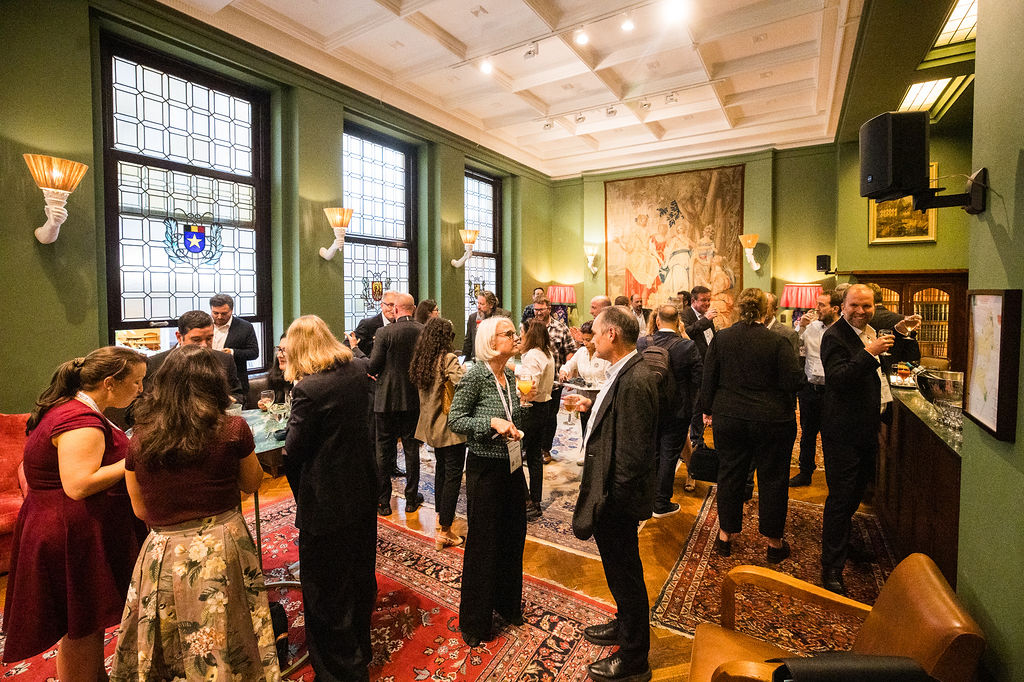
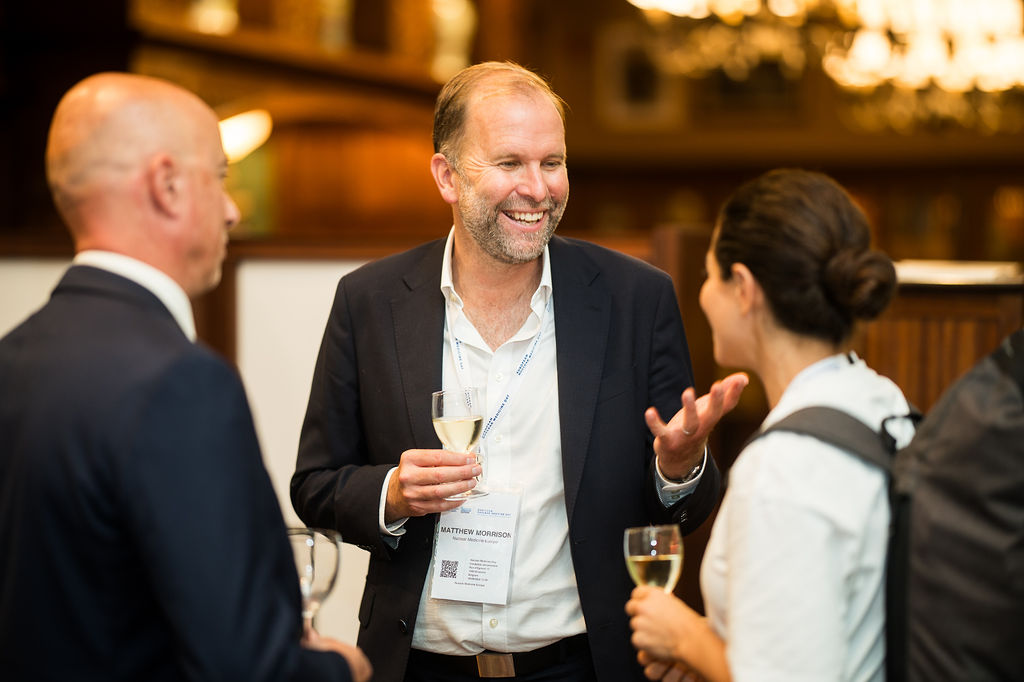
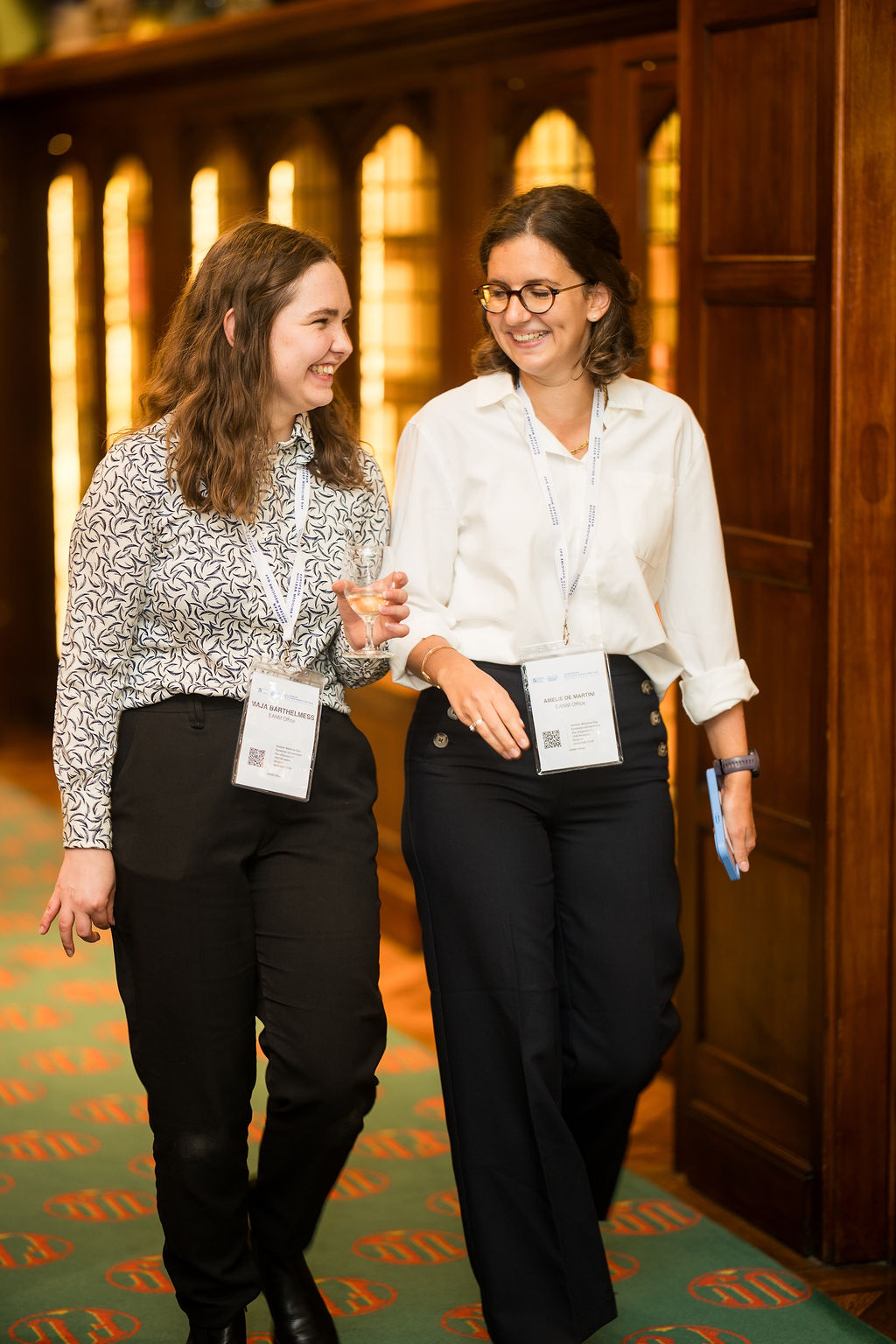
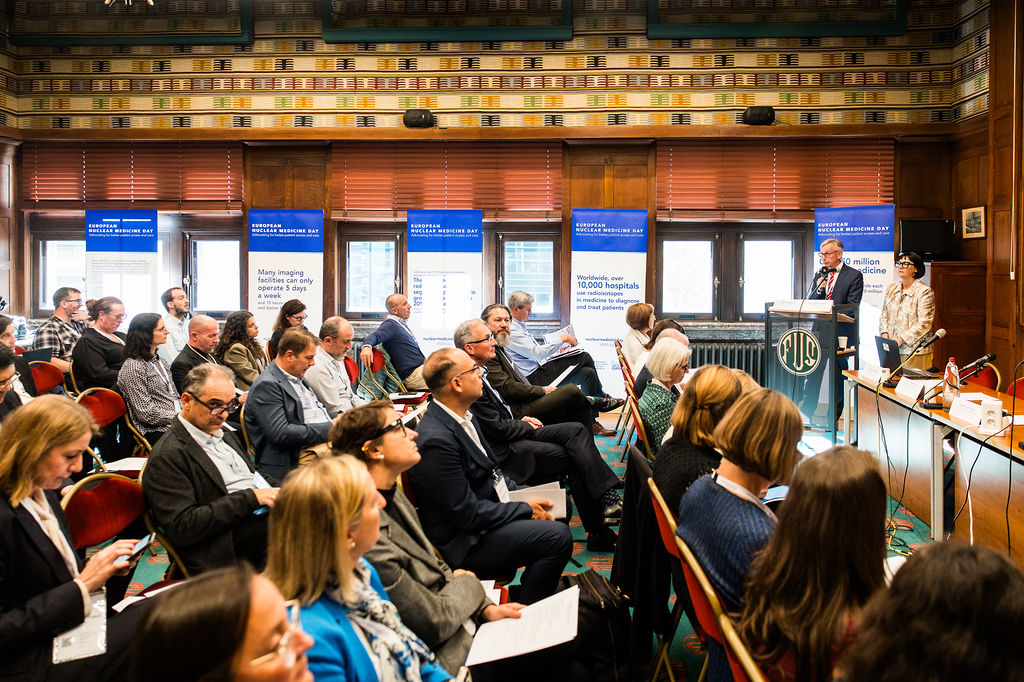
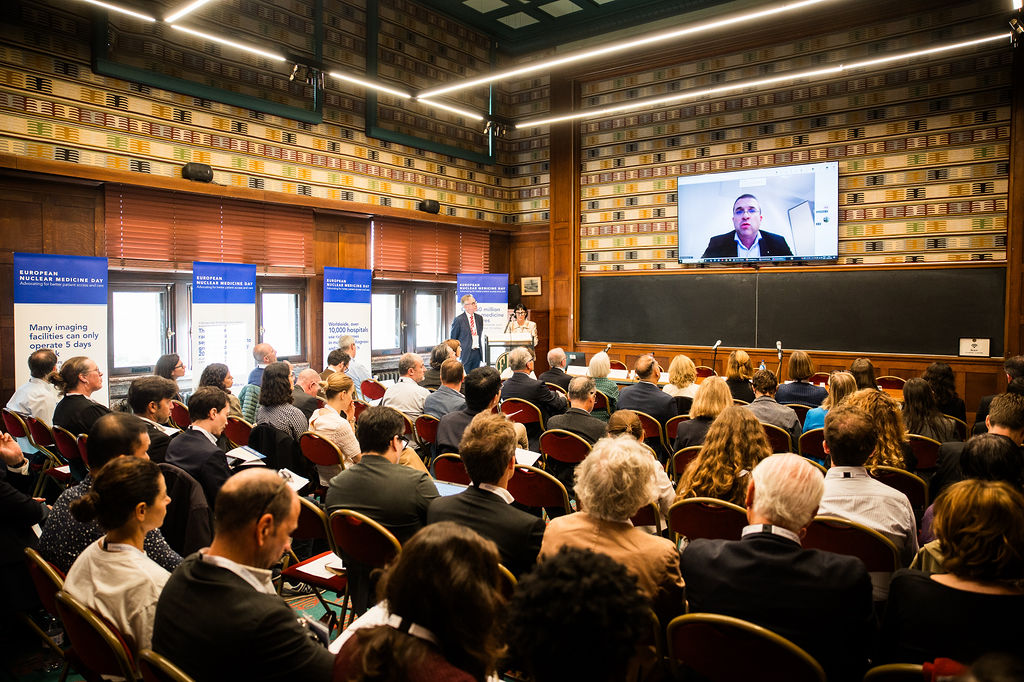
Nuclear Medicine Europe issued the joint call with the European Association of Nuclear Medicine (EANM) at the close of the first European Nuclear Medicine Day in Brussels on September 29, bringing together policymakers, regulators, clinicians, researchers, patient representatives and industry.
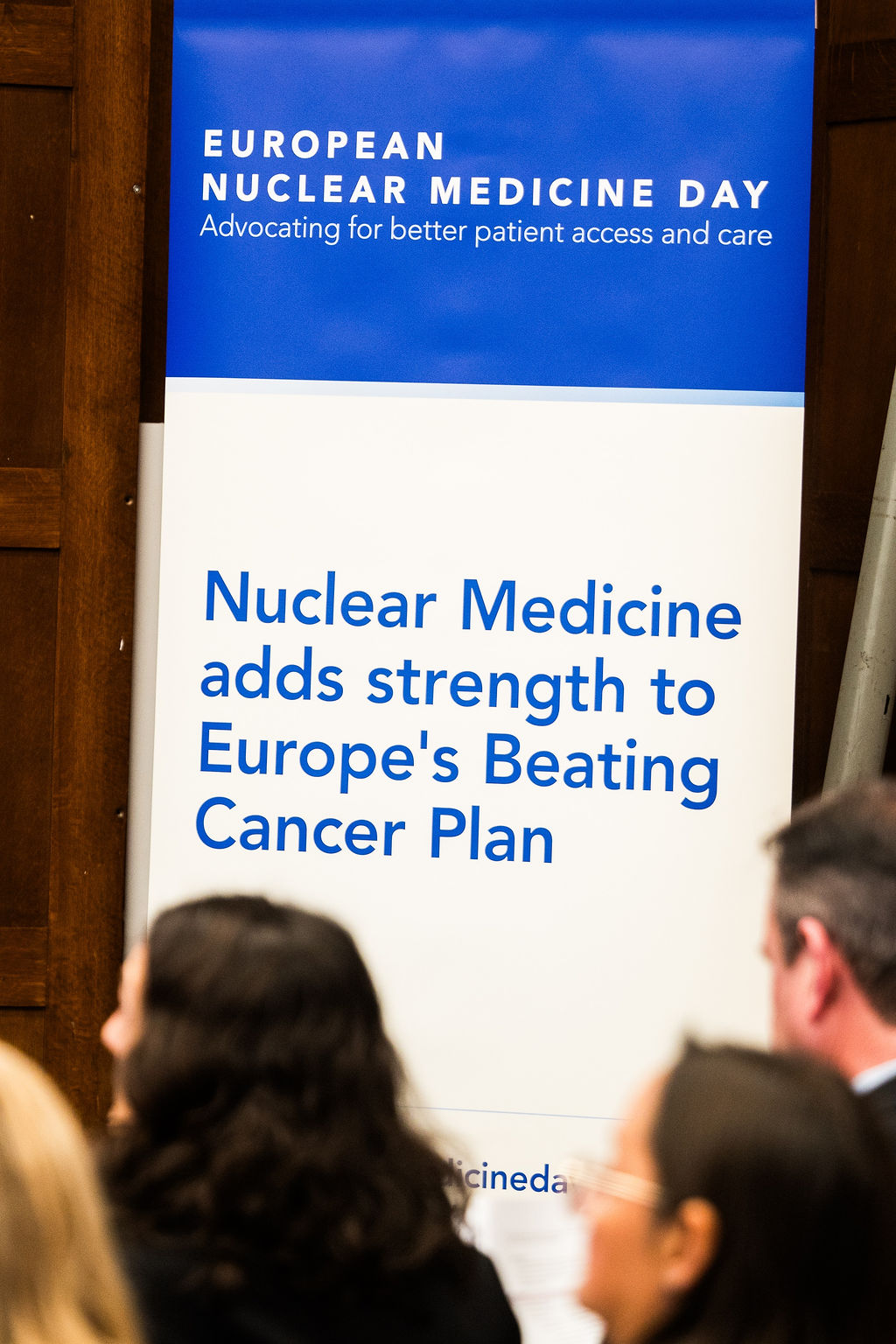
The roadmap calls for action in three areas: a more integrated European pathway for radiopharmaceutical clinical development, regulation and health technology assessment; stronger European production capacity, infrastructure and supply resilience; and a European workforce strategy covering education, skills, mobility and long-term planning.
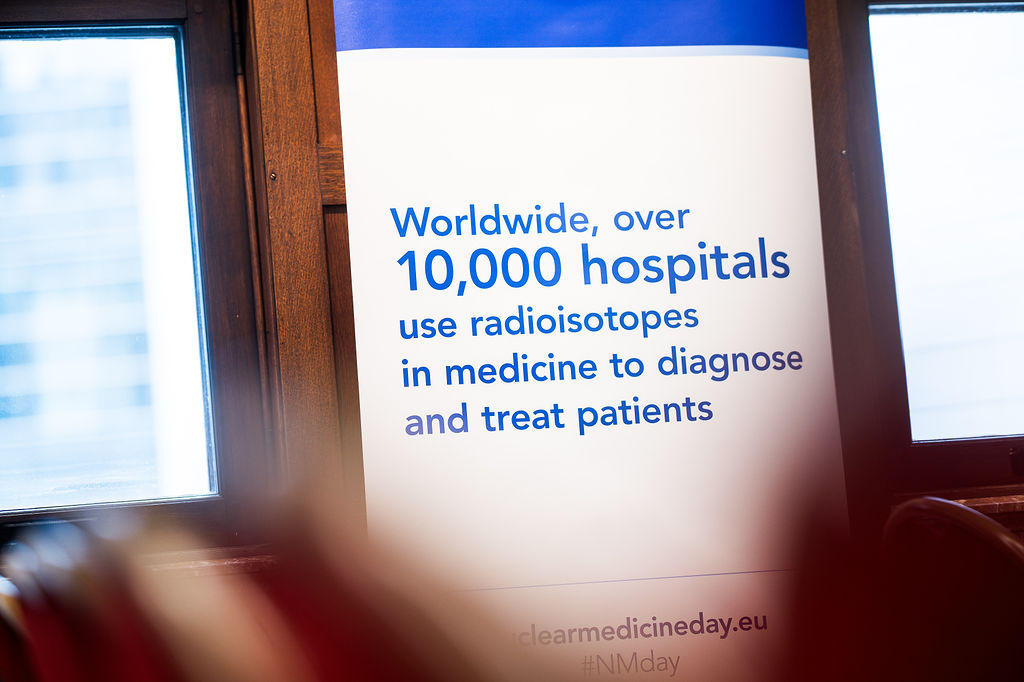
More than 10 million nuclear medicine procedures are performed in Europe each year, but access remains uneven, with patients’ ability to benefit from advanced diagnostics and therapies still heavily influenced by where they live.
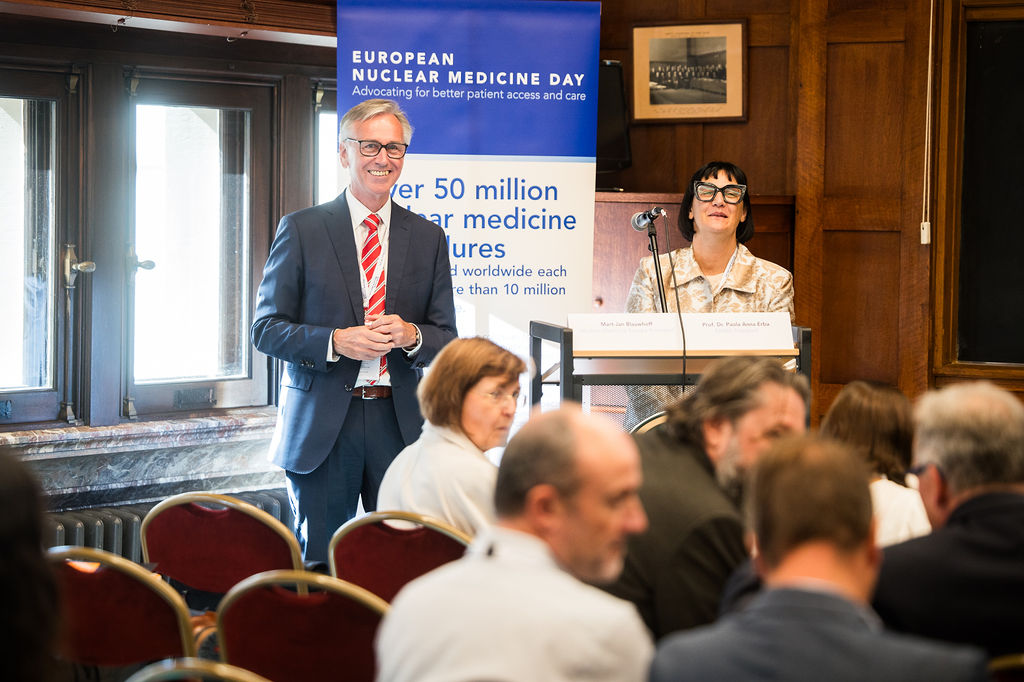
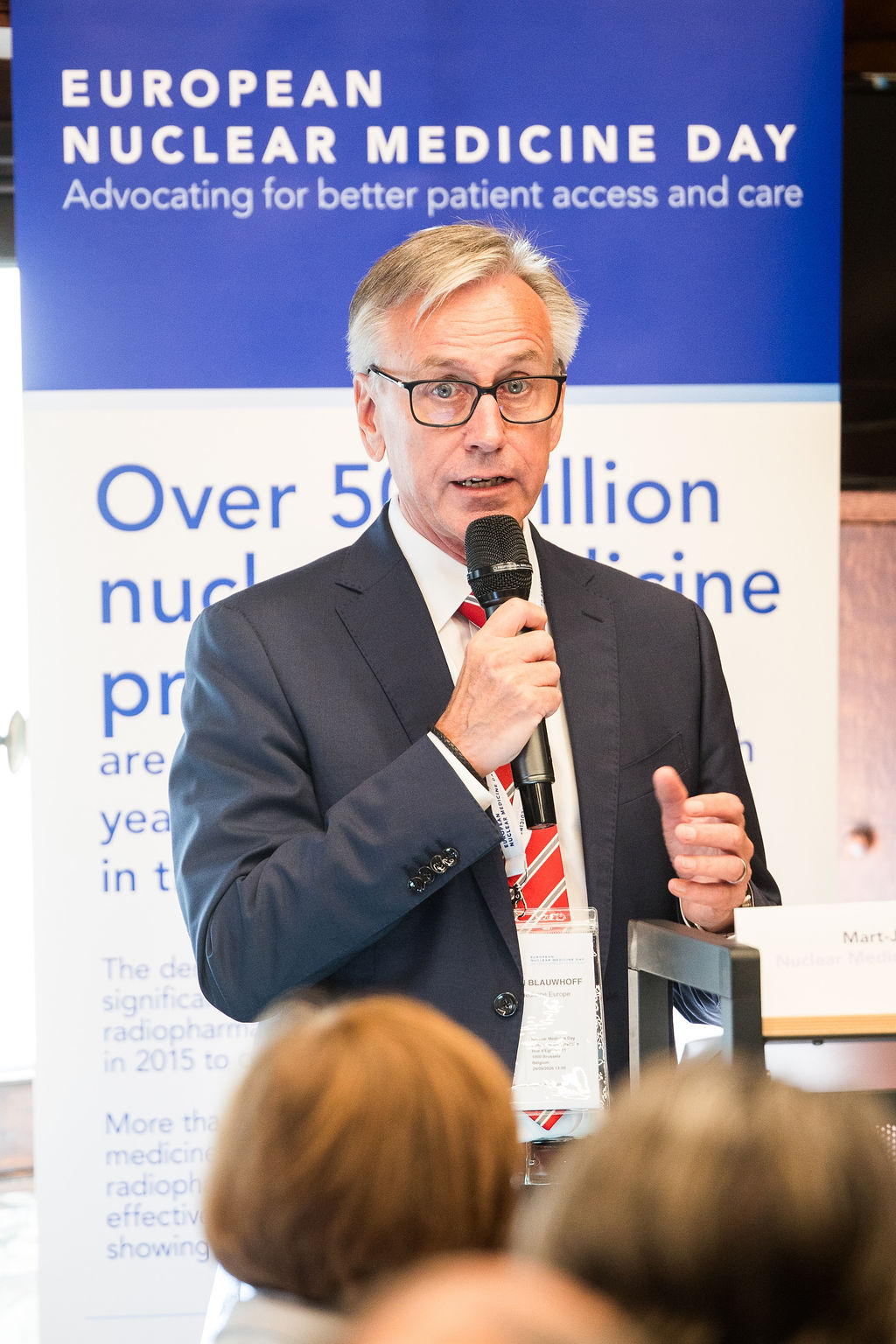
“Nuclear medicine is transforming healthcare, but too many patients still face barriers to accessing these innovations,” said Mart-Jan Blauwhoff, President of Nuclear Medicine Europe. “Improving access is not the responsibility of any single stakeholder. It requires collaboration between policymakers, regulators, healthcare professionals, industry and patient organisations.”
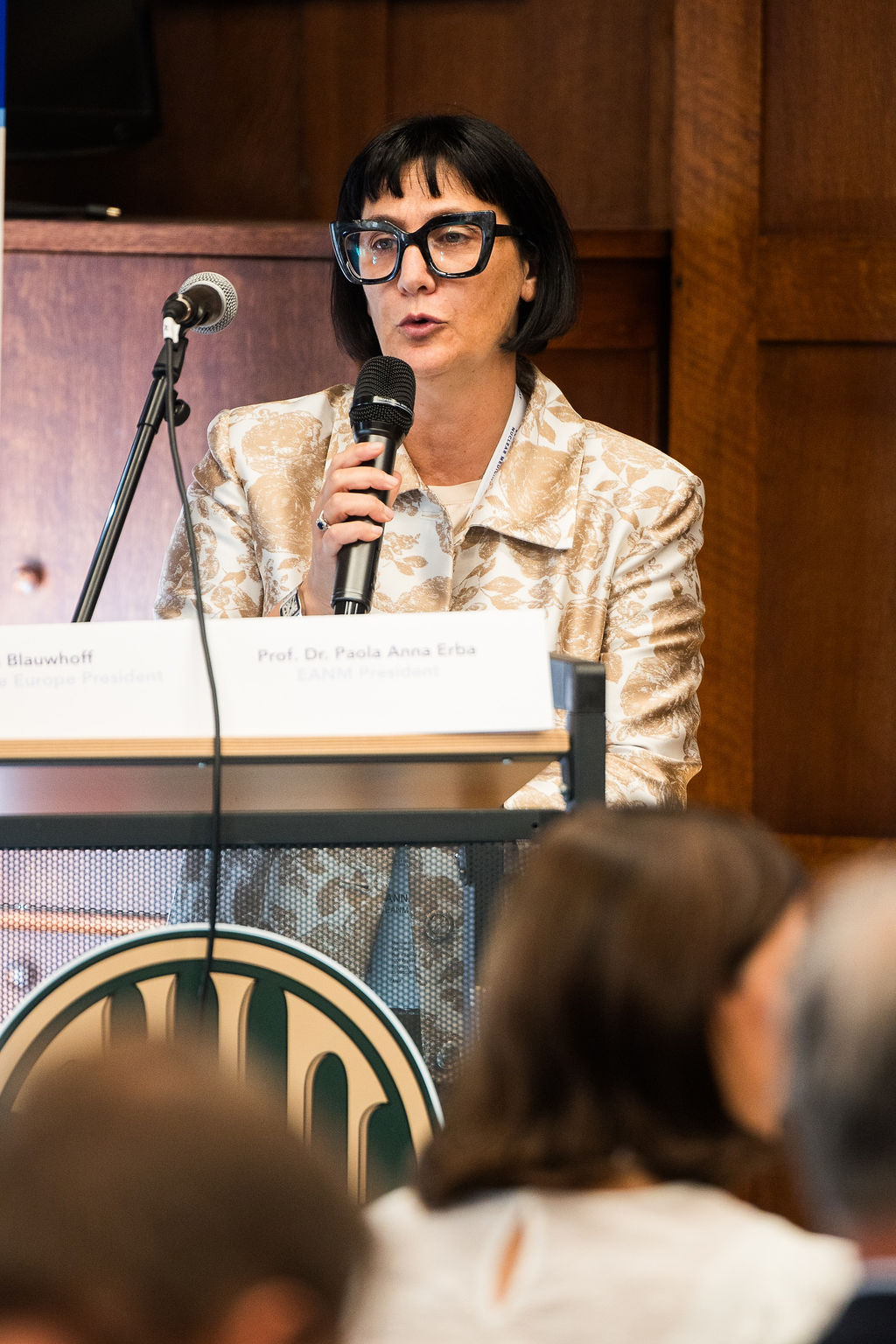
Prof. Dr. Paola Anna Erba, President of EANM, said the discussions demonstrated the need to prepare Europe not only for rapidly advancing technology but for the infrastructure and people required to deliver it. “We need to prepare our workforce for the future challenges,” she said. “Innovation is moving so fast that reskilling professionals is becoming one of our most important challenges.”
That sense of urgency ran through the day’s discussions.
Croatian MEP Tomislav Sokol warned that Europe was losing ground internationally, with its global share of medical innovation falling from more than 40% several decades ago to around 30%. He also highlighted stark inequalities within Europe, saying patients in some eastern EU countries can wait “two to three years” longer for innovative medicines to become available.
French Senator Khalifé Khalifé said therapeutic nuclear medicine was undergoing a profound transformation as the field increasingly moves from diagnosis towards treatment. “Our goal is not to choose between innovation and safety. Our goal is to have both,” he said.
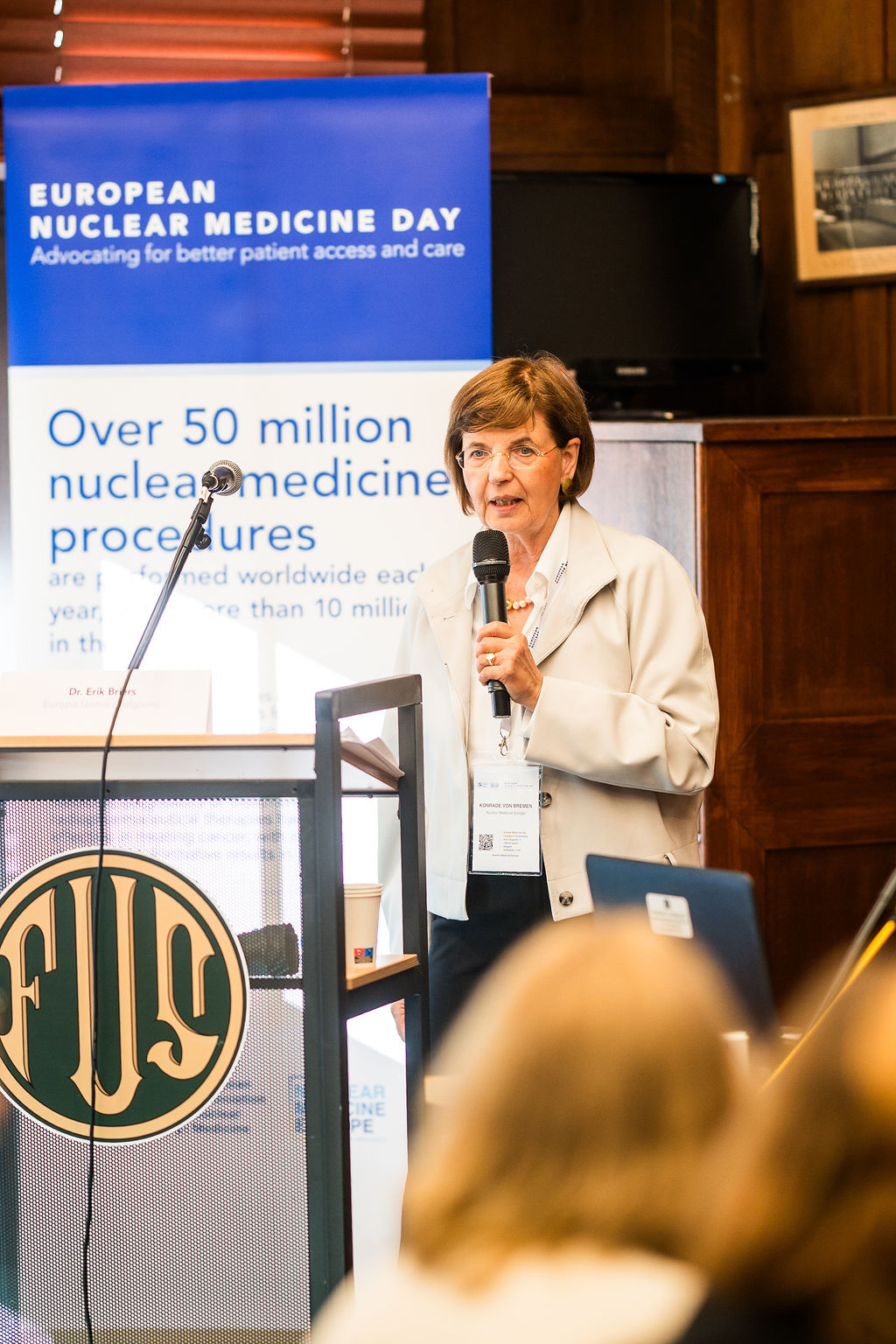
Konrade von Bremen, Vice-President of Nuclear Medicine Europe and Chair of the regulatory roundtable, framed the central challenge: Europe’s regulatory landscape has not kept pace with the speed of radiopharmaceutical innovation. The session explored how pharmaceutical legislation, radiation protection requirements and health technology assessment processes can be better aligned, using recent reforms in Germany as a practical example.
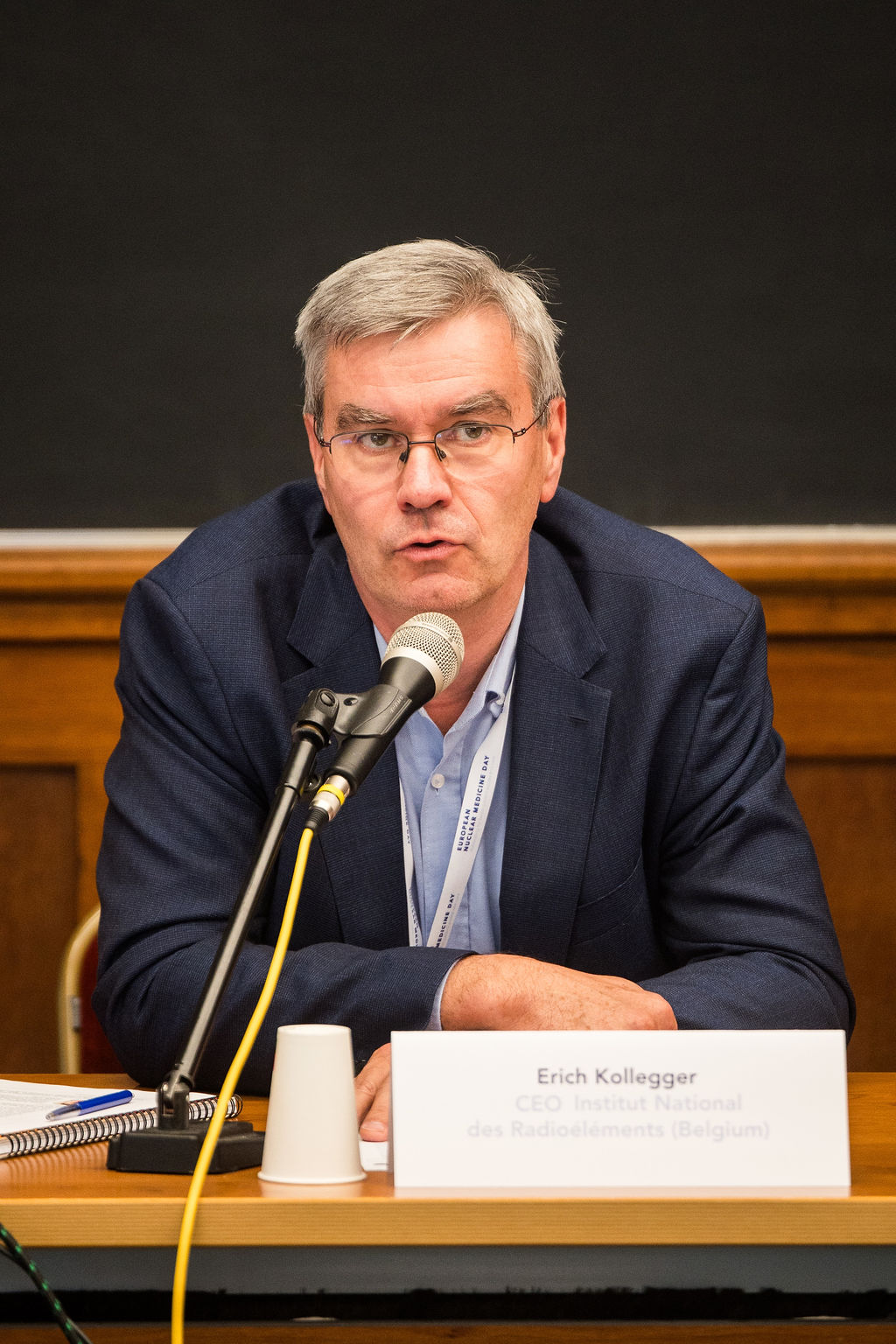
The challenge extends beyond regulation to the physical infrastructure on which nuclear medicine depends. Erich Kollegger, CEO of Belgium’s Institut National des Radioéléments (IRE), pointed to Europe’s ageing research reactors as both an asset and a vulnerability. “They are still working well, but maintaining them is a challenge,” he said, noting that most depend on state support and face rising safety and security costs.
The joint call stresses that radiopharmaceuticals cannot simply be stockpiled or imported at short notice. Their short half-lives mean that reactors, accelerators, radiopharmacies, hospitals and transport networks must operate as a coordinated European system.
Mart-Jan Blauwhoff said the inaugural European Nuclear Medicine Day should mark the start rather than the culmination of that effort: “Today’s event is not an end point, but the beginning of a broader conversation and a longer-term effort.”
The two organisations now want European Nuclear Medicine Day to become a regular platform for dialogue, collaboration and action, while building political support for nuclear medicine to be recognised as a strategic European health priority.
For additional information about the joint initiative between Nuclear Medicine Europe and The European Association of Nuclear Medicine, visit the European Nuclear Medicine Day website where a detailed event report and the joint recommendations presented at the close of the event will be published.