
Following a request from the Members to receive more frequent updates on the association’s activities, it was decided to split the annual activity report into two parts. This page constitutes the second part of the 2025 Nuclear Medicine Europe Activity Report. Part 1, covering the association’s key activities and highlights from January to June 2025, is available here.
If you want to read the activity reports from previous years, follow this link.
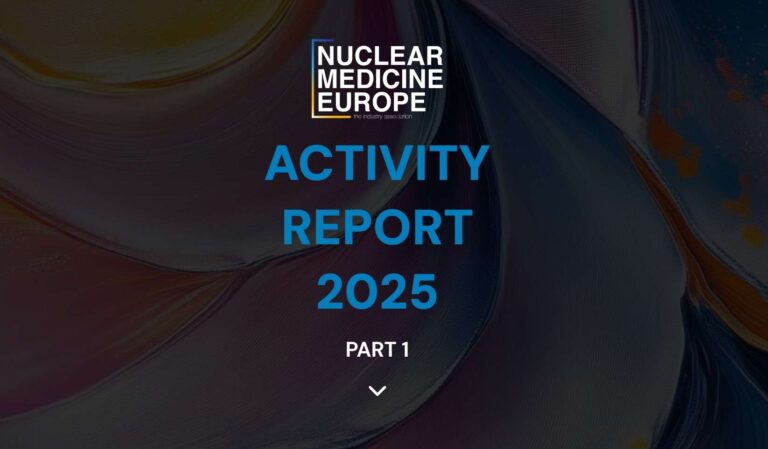
Memorandum of Understanding with the European Association of Nuclear Medicine
In October 2025, Nuclear Medicine Europe and the European Association of Nuclear Medicine signed a Memorandum of Understanding to strengthen cooperation on strategic issues affecting the nuclear medicine sector in Europe.
The agreement establishes a structured framework for collaboration between the scientific and industrial components of the field, with the objective of improving coordination on innovation, regulatory matters, and patient care.
Under the Memorandum of Understanding, both organisations agreed to cooperate on the following areas:
• Policy development and European regulatory initiatives related to radiopharmaceuticals and medical isotopes
• Participation in EU-funded projects supporting research, education, and clinical practice
• Mutual representation and participation in strategic events and expert roundtables
• Exchange of information and improved visibility through respective communication channels
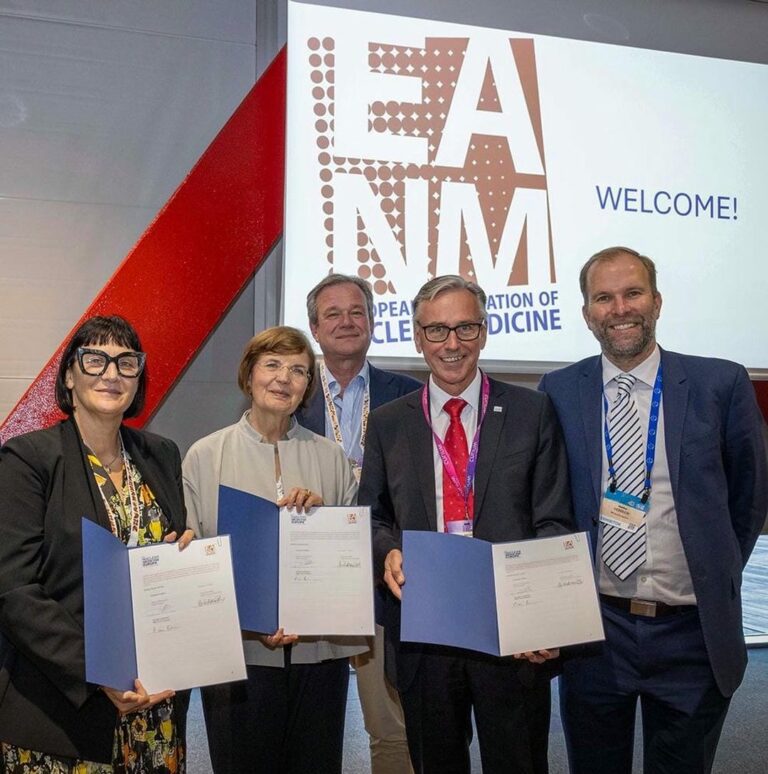
Joint activities will focus in particular on the radioisotope supply chain, workforce development, pharmaceutical and radiopharmaceutical legislation, quality assurance and standardisation, and engagement with European institutions.
This Memorandum of Understanding formalises a shared commitment to reinforcing Europe’s nuclear medicine ecosystem and to supporting a more coordinated dialogue with policy makers, with the overarching objective of improving patient access to nuclear medicine services and therapies.
EANM and Nuclear Medicine Europe have a long-standing history of cooperation in support of patient care and innovation. This agreement provides a framework to further consolidate that collaboration and support access to nuclear medicine across Europe.
Memorandum of Understanding with HERCA
Nuclear Medicine Europe and the Heads of the European Radiological Protection Competent Authorities (HERCA) signed a Memorandum of Understanding to establish a structured framework for cooperation in the fields of nuclear medicine and radiological protection, while fully respecting the sovereignty and competences of each party.
HERCA is a voluntary association bringing together the heads of national authorities responsible for radiological protection across Europe, with the objective of promoting a coherent and high level of protection for workers, patients, and the public.
The Memorandum of Understanding recognises that closer collaboration between regulators and industry is essential to support the continuity, safety, and quality of nuclear medicine services in Europe, particularly in relation to patient care and the supply of medical isotopes.
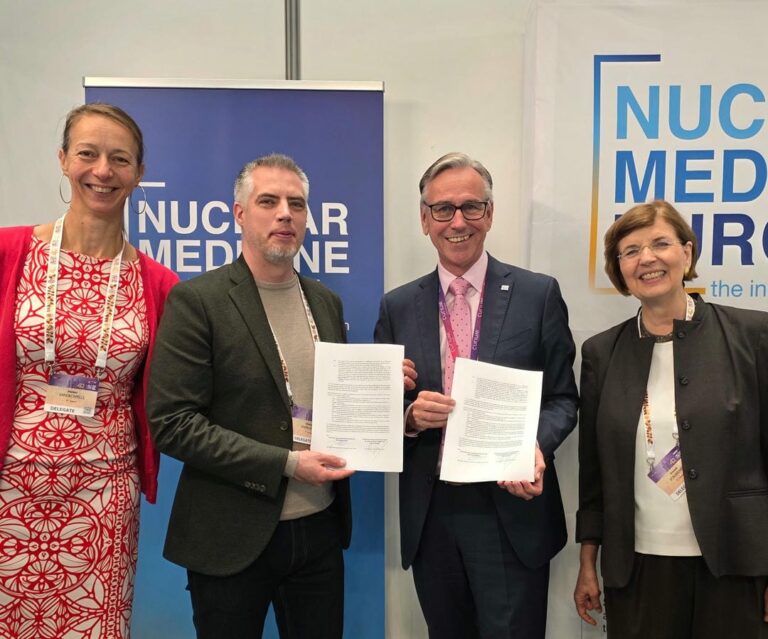
Under this agreement, both organisations acknowledge the importance of cooperation to advance scientific knowledge, strengthen professional expertise, and promote the safe and effective use of medical applications of ionising radiation. The framework provides a basis for constructive dialogue, improved mutual understanding, and practical alignment on issues of shared interest that directly affect nuclear medicine practice across Europe.
EANM Congress 2025, Barcelona
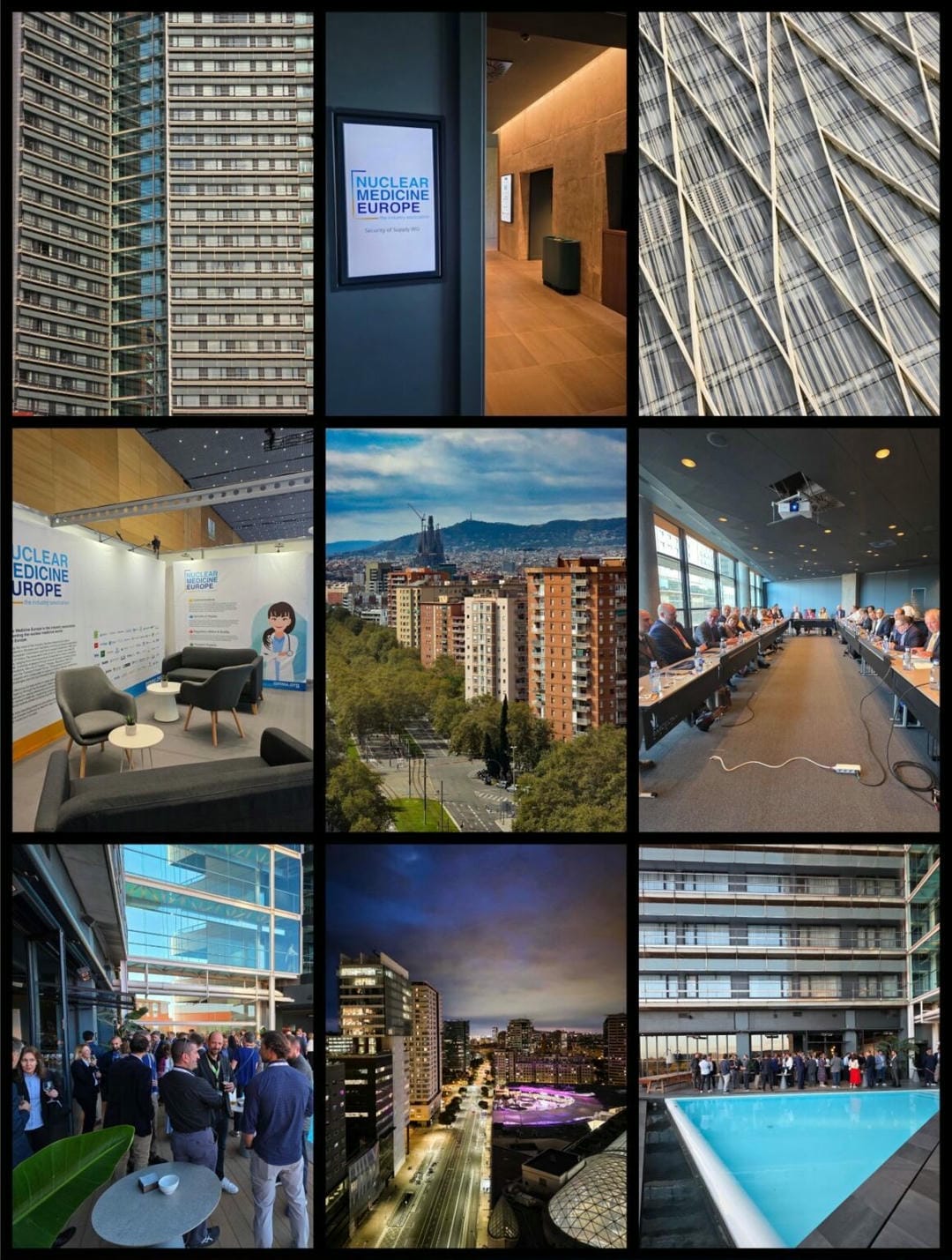
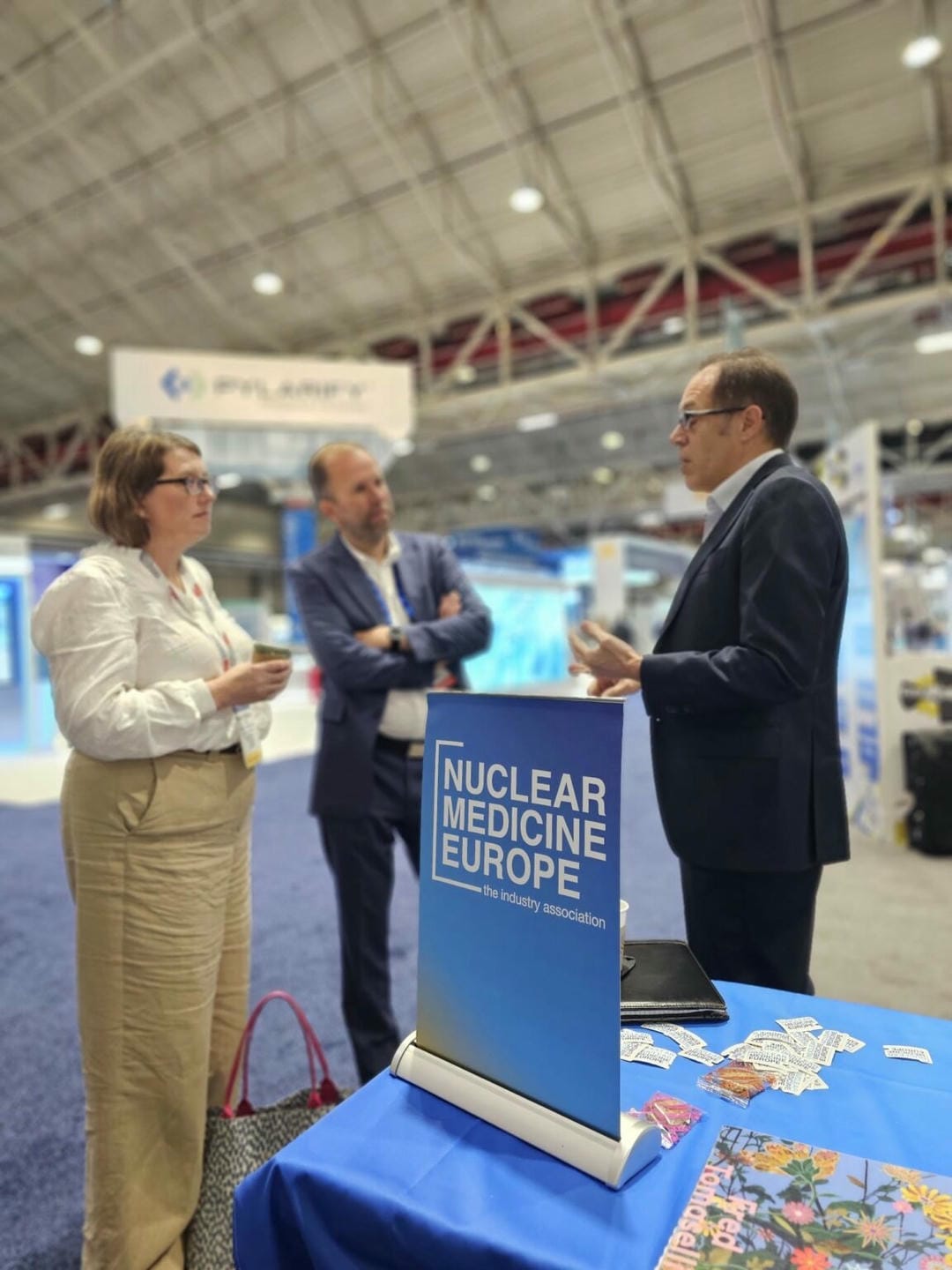
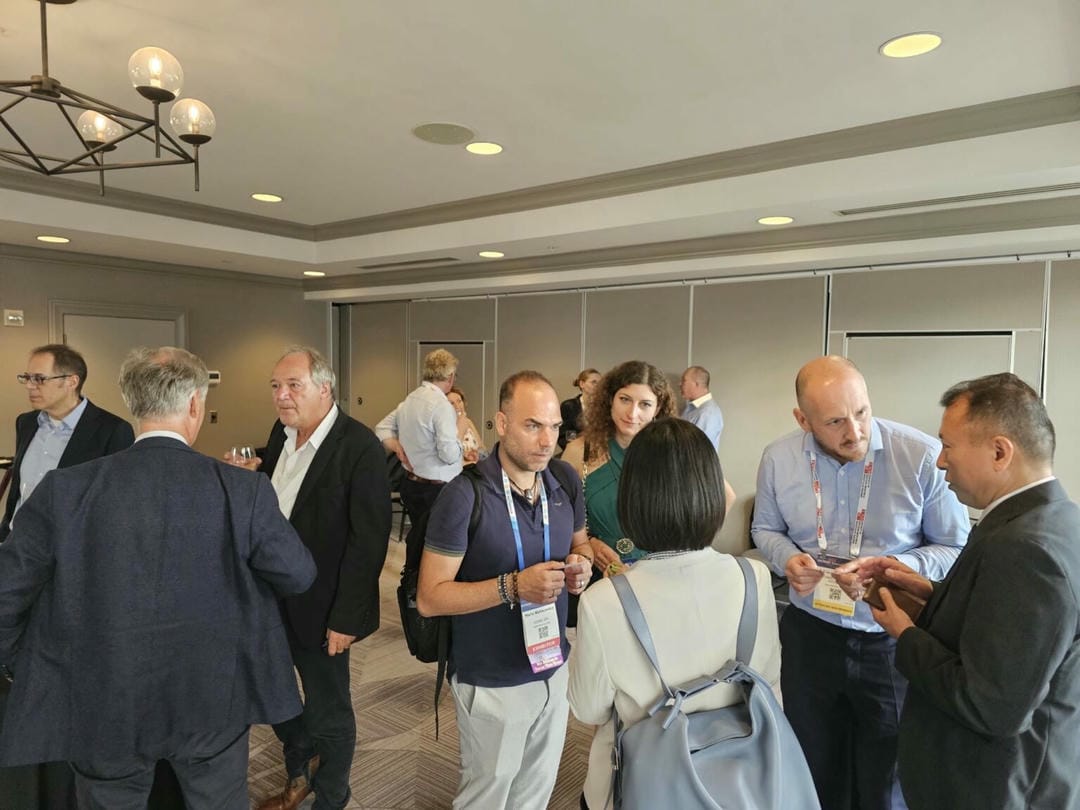
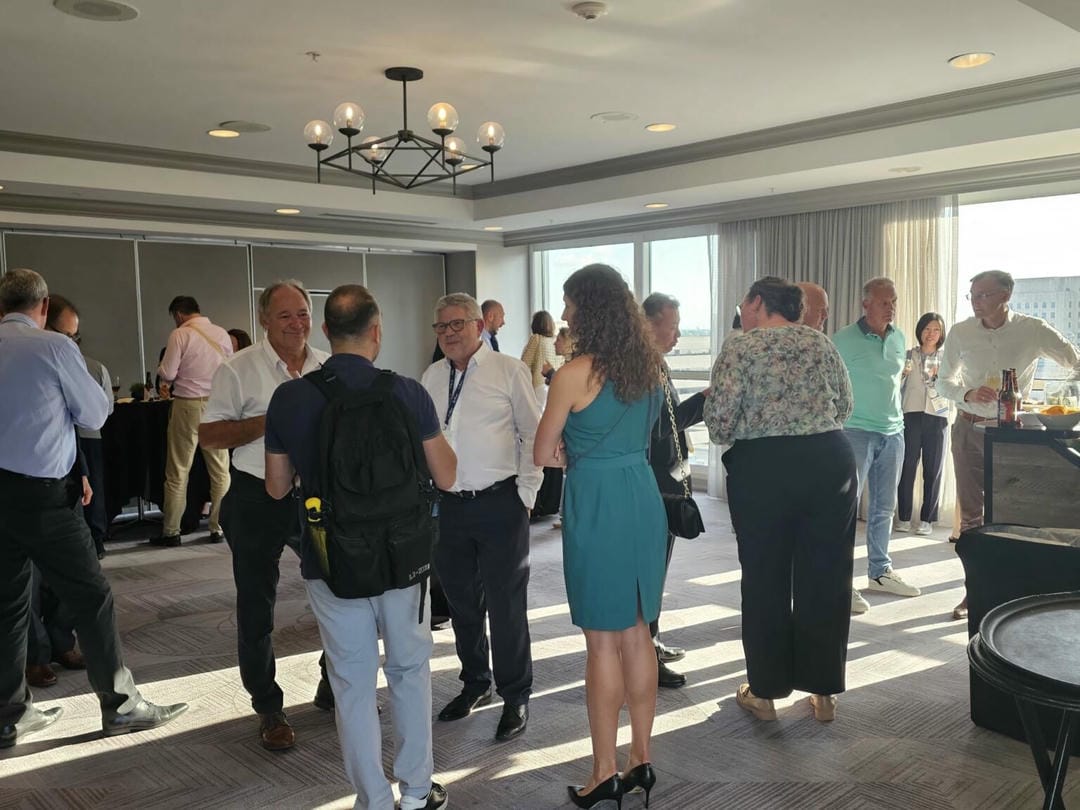
Nuclear Medicine Europe took part in the 2025 Congress of the European Association of Nuclear Medicine in Barcelona, and held its annual Get Together with Members during the event. This yearly congress consistently provides the most effective setting for direct exchanges on ongoing activities, current priorities, and shared challenges within the nuclear medicine community.
Throughout the Congress, Nuclear Medicine Europe held a series of meetings with academic, clinical, and industry stakeholders. These discussions supported cross-sector dialogue and allowed for in-depth exchanges on regulatory, clinical, and industrial topics.
Members and stakeholders also shared positive feedback on several resources published by Nuclear Medicine Europe in recent months, including the Hygieia platform and our bi-monthly industry newsletters. These exchanges helped confirm the relevance of these tools and their alignment with the practical needs of the nuclear medicine community.
Nuclear Medicine Europe Day - #NMEUday
In September 2025, Nuclear Medicine Europe launched the first Nuclear Medicine Europe Day, a pan-European awareness initiative dedicated to highlighting the role of nuclear medicine in healthcare and to drawing attention to key challenges facing the field.
The campaign was supported by a press release issued from Brussels on 25 September 2025 and was conducted primarily through digital communication channels. Contributions were provided by all five Nuclear Medicine Europe Working Groups, each addressing a specific priority or challenge relevant to nuclear medicine in Europe. Through this coordinated approach, the initiative offered the nuclear medicine community a shared platform to present its perspectives and to engage with a broader range of stakeholders.
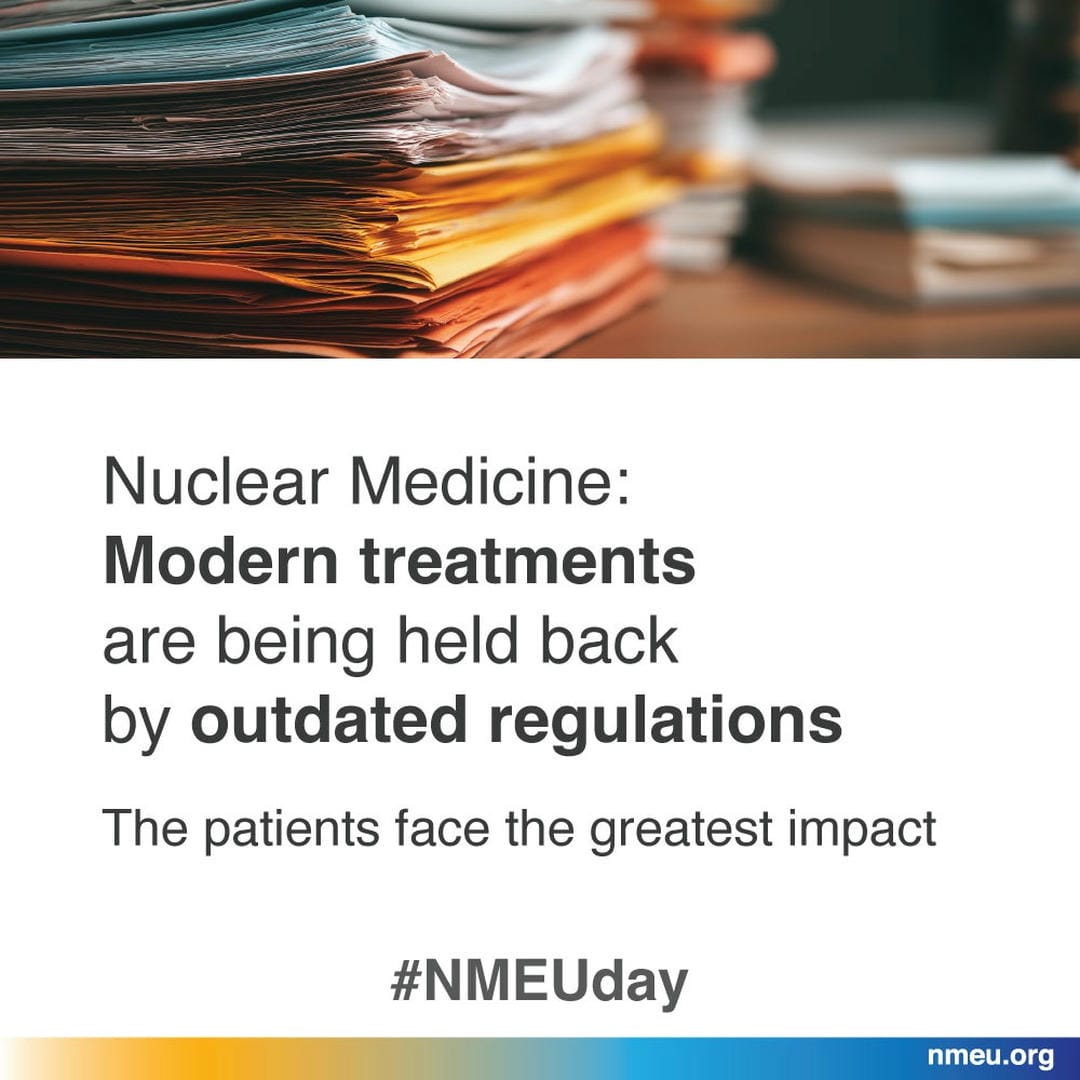
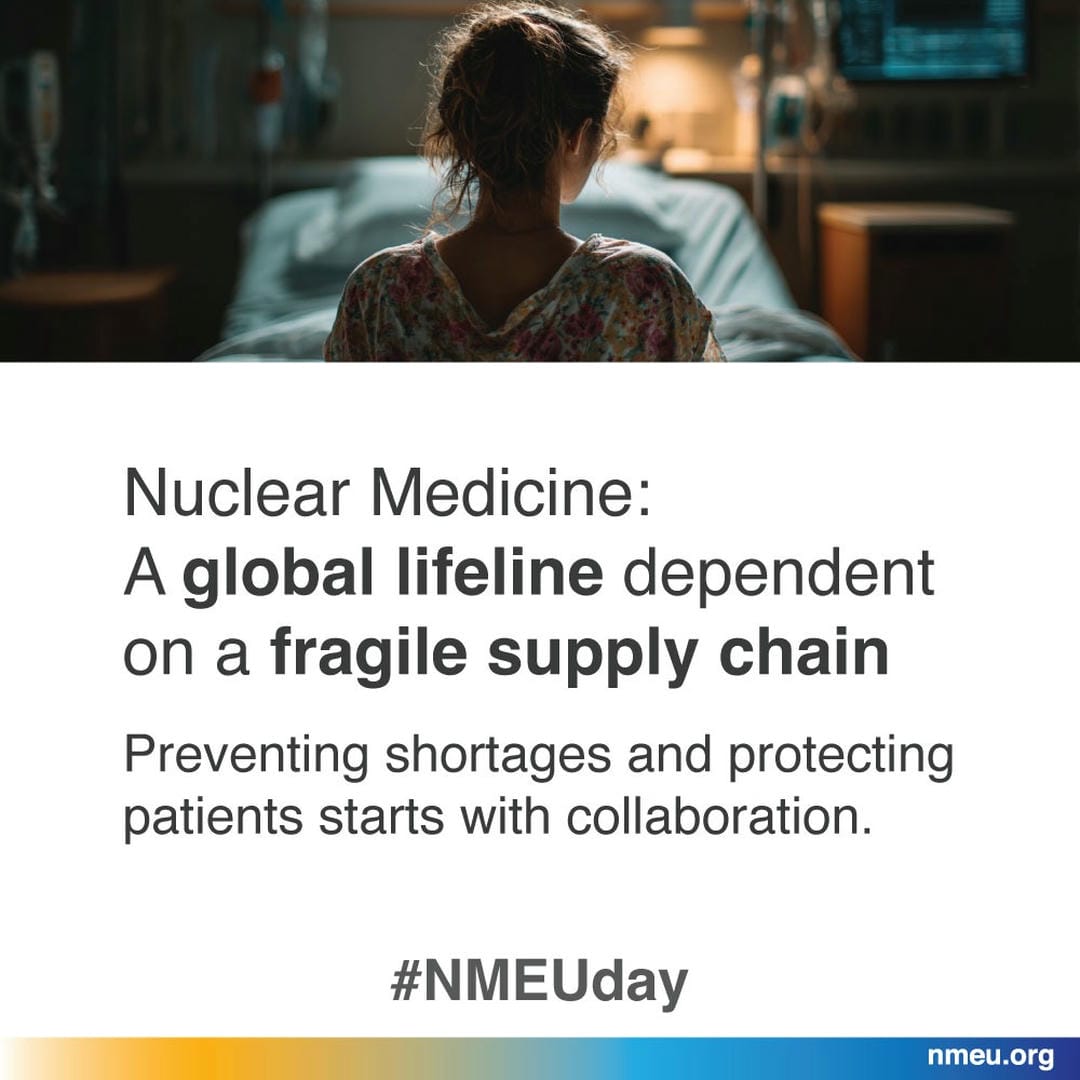
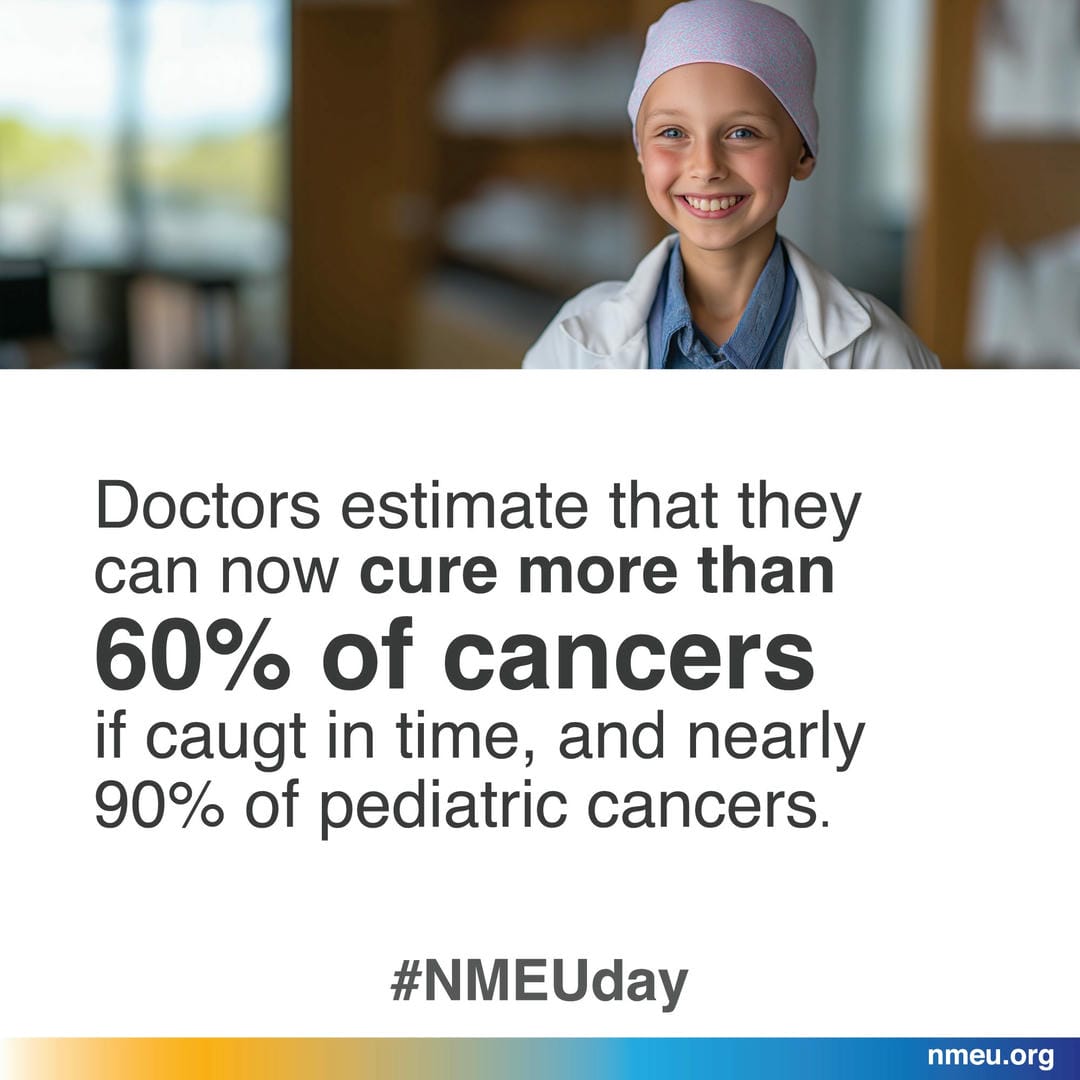
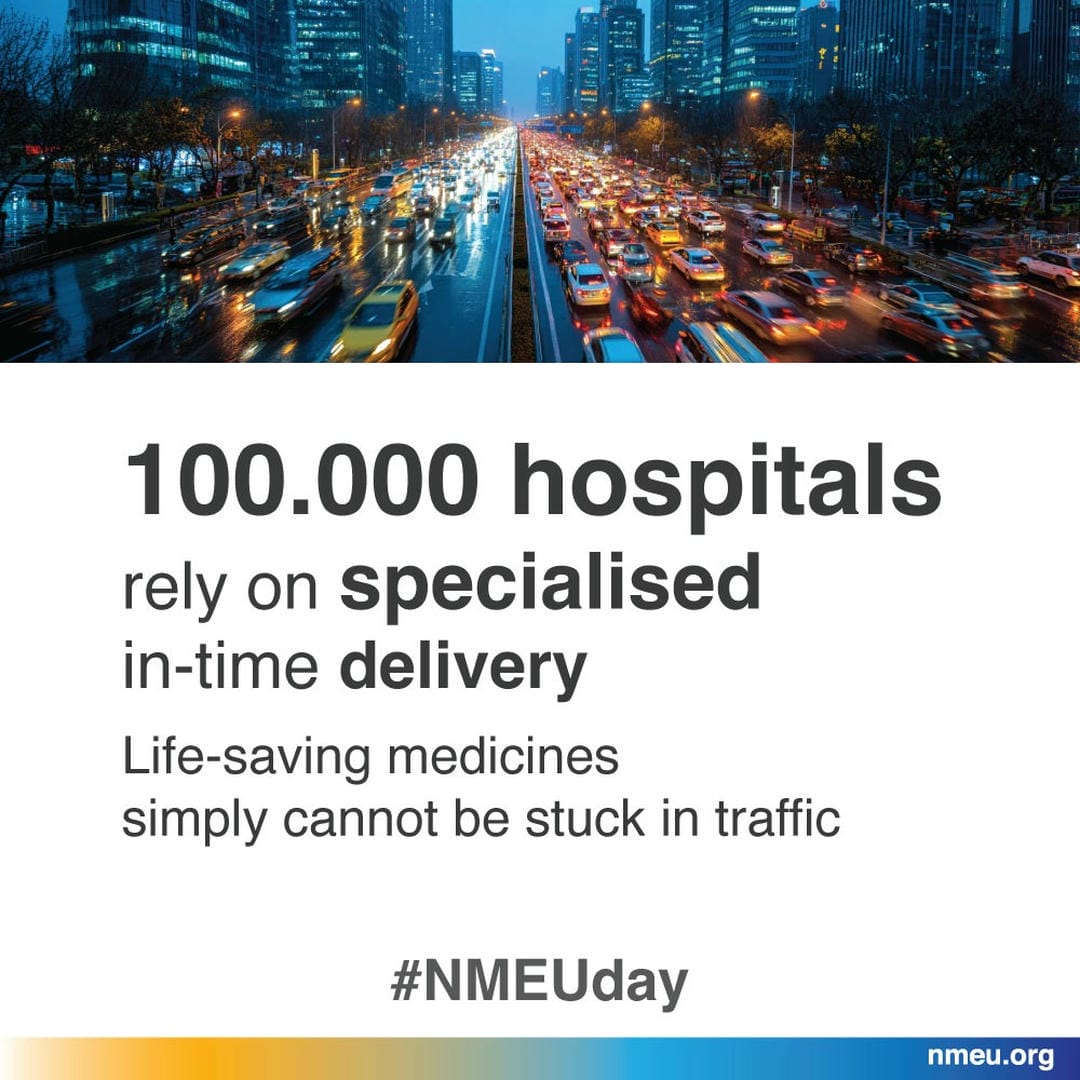
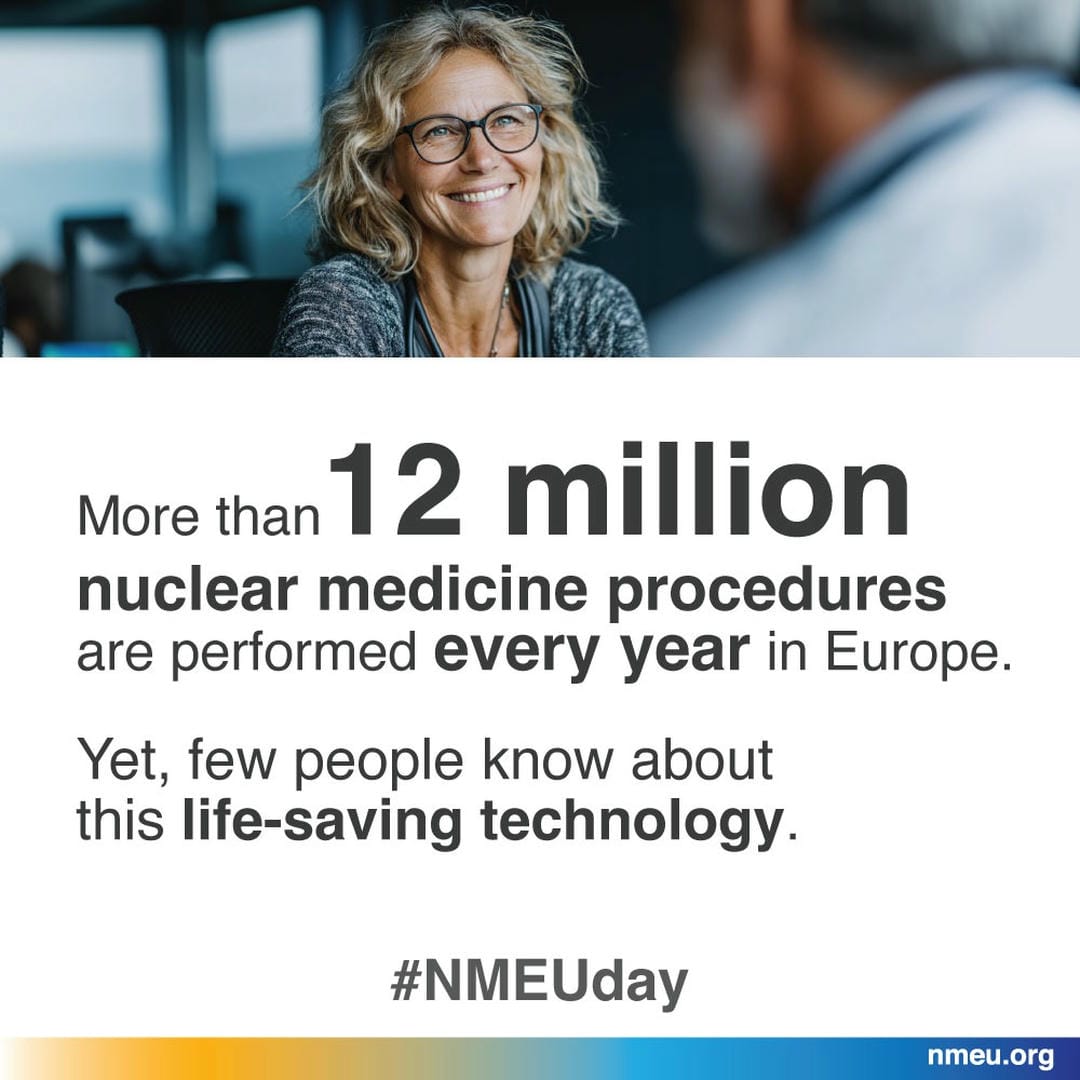
The campaign generated more than 30,000 impressions, attracted several hundred new followers to our page, and led to a significant increase in member activity during the campaign period.
The objectives of Nuclear Medicine Europe Day were threefold. The campaign aimed to improve public understanding of nuclear medicine and its life-saving clinical applications, to highlight operational and structural challenges such as infrastructure needs, workforce development, and supply stability, and to reinforce the importance of supportive regulatory and policy frameworks at the European level.
The first edition of Nuclear Medicine Europe Day was initiated by the Communications Working Group, marking an important step in the association’s efforts to strengthen visibility and awareness of the sector. The initiative laid the foundation for a recurring annual event, with the ambition to further expand its scope and impact in future editions. Preparatory discussions for the next edition are already underway.
A dedicated event webpage was published to present the initiative and its objectives.
Nuclear Medicine Europe Associate Partners Network
As part of its efforts to strengthen international engagement, Nuclear Medicine Europe established the Associate Partners Network to provide a dedicated framework for companies active in nuclear medicine that are based outside the European Union. In line with the principles of a European Economic Interest Grouping, Associate Partners contribute their expertise and resources to the association’s activities, in particular through participation in the Working Groups, while remaining independent from the rights and obligations of General Assembly members.
The Associate Partners Network is intended to enhance visibility, encourage exchanges among Associate Partners and with the General Assembly, and facilitate dialogue on issues of common international interest. The Network is represented by a spokesperson appointed from among the Associate Partners and meets as required, with at least one annual exchange organised remotely. This initiative supports Nuclear Medicine Europe’s objective of strengthening international cooperation and advancing nuclear medicine worldwide.
Beyond Electricity Expo at the World Nuclear Exhibition
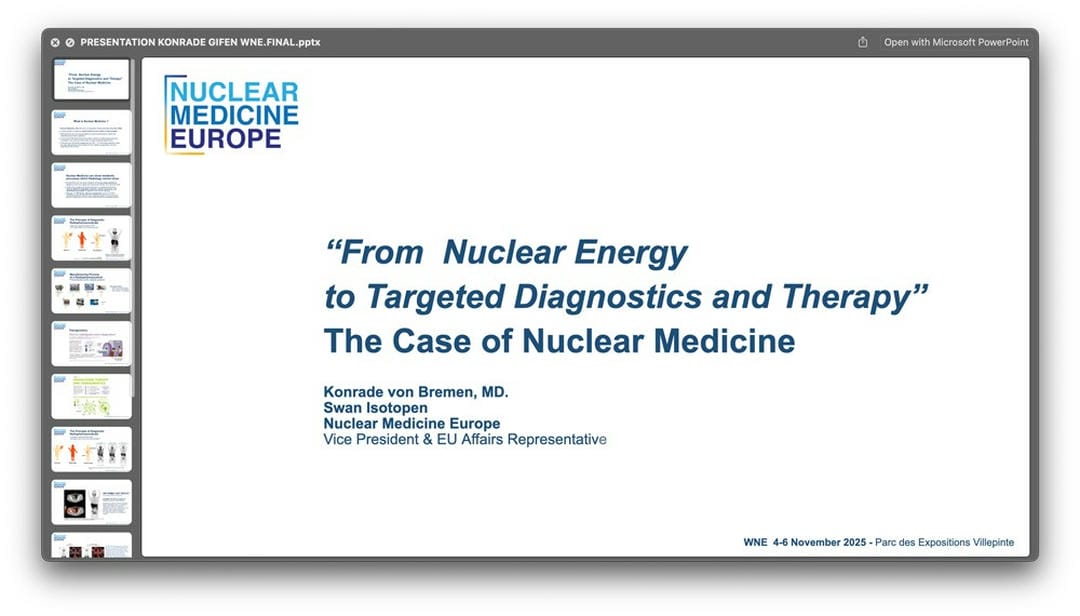
For this exhibition, Konrade von Bremen, Vice President of Nuclear Medicine Europe and EU Affairs Representative, was invited to present the role of nuclear medicine as a medical specialty enabling targeted diagnostics and therapy through the use of radiopharmaceuticals. Her intervention highlighted the ability of nuclear medicine to visualise metabolic processes beyond conventional imaging, the clinical impact of theranostics and radioligand therapies in oncology, and the time-critical nature of radioisotope production. She also addressed the organisational, radioprotection, and regulatory challenges linked to the wider implementation of these therapies, underlining the need for coordinated action to ensure patient access and regulatory compliance.
Working Group Leaders Quarterly Meetings
Nuclear Medicine Europe relaunched the quarterly meetings of Working Group Leaders to strengthen coordination across activities and improve the regular exchange of information between groups and the Executive Committee. The meeting provided a structured overview of ongoing work in all Working Groups, covering communication initiatives, transport and regulatory developments, therapy and discussions around dosimetry, and security of supply coordination. Updates highlighted progress on publications and position papers, engagement with European and international authorities, and alignment with external initiatives, including those of the European Association of Nuclear Medicine and the IAEA. The meeting also confirmed organisational adjustments within certain Working Groups to support efficiency and reporting, and included an update from the Executive Committee on the preparation of a three-year management plan.
These meetings consistently give rise to particularly dynamic and substantive discussions, often extending well beyond the scheduled time, reflecting the strong interest in cross-group exchanges and the value of discussing topics from multiple Working Group perspectives. Future meetings will therefore allocate additional time to facilitate more in-depth discussions.
Seasonal Connect 2025 & Working Group Activities
Nuclear Medicine Europe organised its first Seasonal Connects with the Autumn Connect held in Brussels. This new quarterly format brings together Members for two days of focused, in-person work across several Working Groups. The initiative responds to a clear request from Members for more frequent face-to-face meetings, streamlined administrative processes, strengthened long-term planning, and a more consistent structure for Working Group activities. It also supports more regular reporting and improved sharing of progress across the wider membership.
The Autumn Connect provided structured time for collaboration, knowledge exchange, and strategic alignment. During this edition, the Communications Working Group held a full-day workshop dedicated to the development of a Common Narrative, marking an important step in reinforcing collective communication efforts.
The Transport Experts Working Group reviewed legislative and regulatory developments affecting nuclear medicine transport and supply, alongside the exchange of operational experience. Key topics included EU legislation such as the Packaging and Packaging Waste Regulation and the European Deforestation Regulation, for which Nuclear Medicine Europe prepared position papers due to their impact on suppliers and transport operations. Members also discussed the implications of zero emission zones and CO₂ reduction measures, particularly challenges related to first and last mile delivery of radioactive material, as well as developments in good distribution practices and increasing temperature control requirements. International transport issues were addressed in relation to recent and upcoming IAEA activities, denial and delay of shipment, airline awareness, and safety considerations for Class 7 transport.
The session also marked the transition in the Vice Chair role, with René Stoop elected as the new Vice Chair of the Transport Experts Working Group, and provided an opportunity to acknowledge and thank Juul Rijpkema for his long-standing commitment and expertise.
The next Nuclear Medicine Europe Seasonal Connect, the Spring Connect, is scheduled to take place in March 2026, in Petten and Bologna, in concordance with the Working Group Leaders’ quarterly meeting.
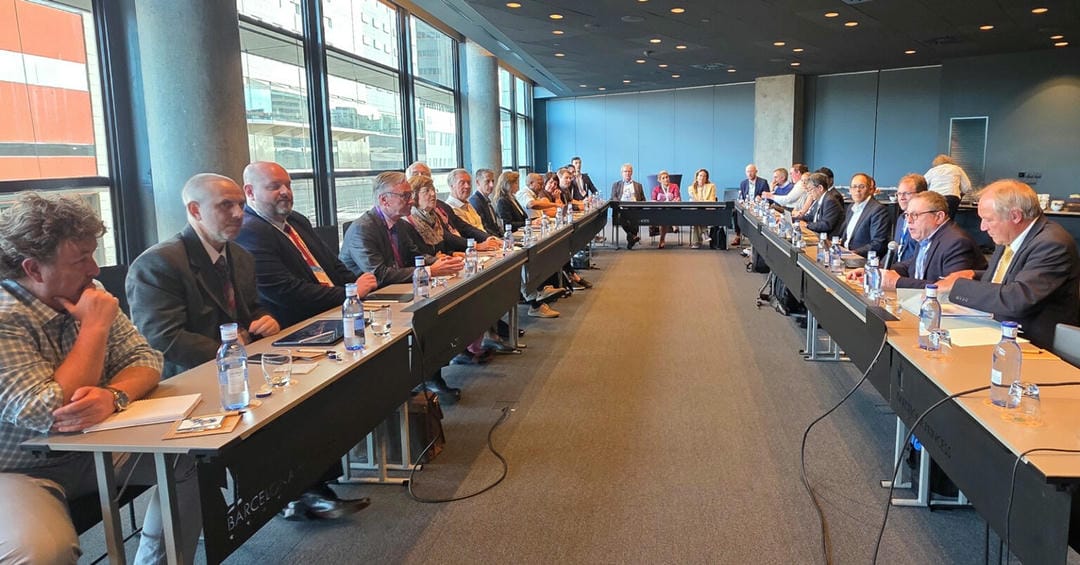
In October, the Security of Supply Working Group meeting in Barcelona brought together an exceptionally large audience of more than 40 participants and provided a comprehensive review of the status of medical isotope production and supply for the remainder of 2025, as well as an outlook for 2026. Participants reviewed the latest reactor schedules, confirming a generally robust and well-coordinated supply situation, with very limited periods of potential vulnerability that are expected to be mitigated through existing capacity and alignment between facilities. Updates from reactors, processors, and project representatives confirmed stable operations, planned maintenance, and continued progress on modernisation and future infrastructure.
The meeting also addressed broader coordination efforts at the European and international level, including EU Observatory discussions, SAMIRA and ERVI developments, and engagement with OECD and IAEA activities, as well as exchanges with international partners on trade, tariffs, and supply chain resilience. These discussions underlined the importance of continued monitoring, information sharing, and coordination to support continuity of supply. The next meeting is scheduled to take place in June 2026.
The Regulatory Affairs and Quality Working Group continued its work with a particular focus on upcoming interactions with the European Medicines Agency. Priorities included clarifying and narrowing the agenda for the next EMA bilateral meeting, establishing a structured process for collecting and justifying input from member companies, and ensuring that proposed topics are clearly prioritised and aligned with available discussion time. In parallel, the group discussed the development of a more strategic approach to chemistry, manufacturing, and control topics, covering short term regulatory guidance, medium term engagement with planned EMA work, and longer-term proposals for future regulatory initiatives. Additional activities included contributions to the Biotech Act consultation to highlight barriers affecting radiopharmaceuticals, follow-up with the European Directorate for the Quality of Medicines on the status of radionuclide monographs, coordination on international guideline consultations, and organisational measures to improve information sharing and internal efficiency.
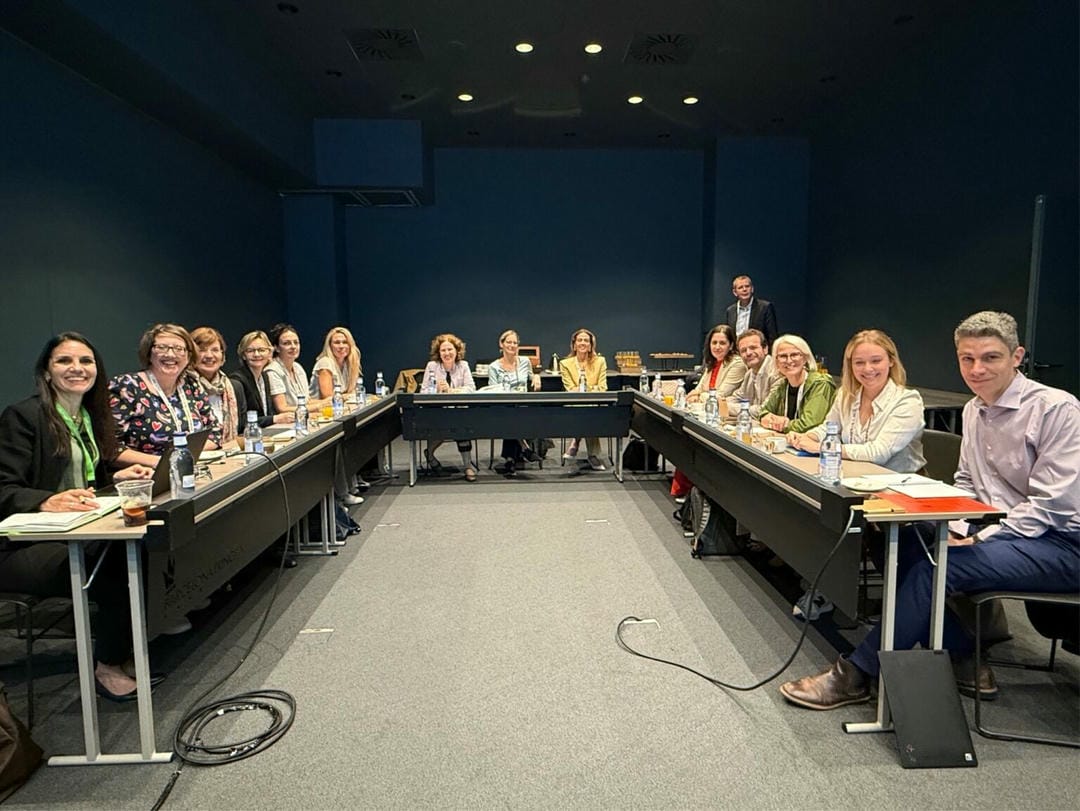
As always, Nuclear Medicine Europe would like to thank all Working Group members for their continued commitment and for the time and expertise they dedicate to the association’s activities. Their active involvement, technical knowledge, and constructive contributions are essential to the progress of the Working Groups and to the achievement of Nuclear Medicine Europe’s objectives.
LinkedIn audience profile and reach
Linkedin Data Update
Linkedin followers
6750
+
Organic growth, 0% sponsored
90
%
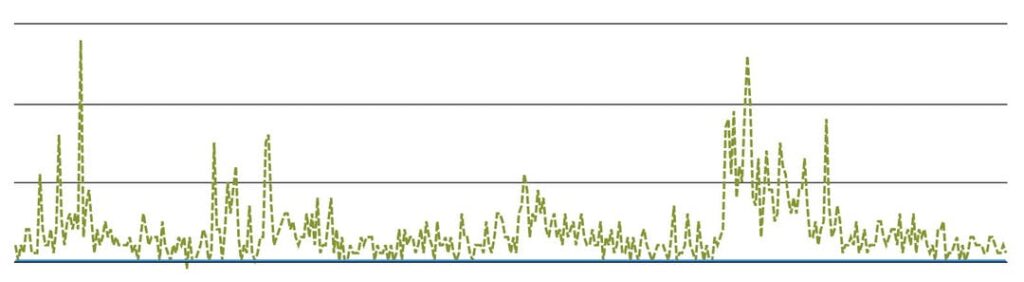
Over the past year, Nuclear Medicine Europe’s LinkedIn page has continued to expand its reach, now totalling approximately 7,500 followers, with growth driven predominantly by the wider medical and scientific community. New followers are primarily drawn from hospitals and healthcare organisations (1,264), pharmaceutical manufacturing (941), medical practices (574), higher education (533), and research and biotechnology-related sectors, underscoring strong engagement from clinical, academic, and research environments rather than from association members alone.
This profile is reinforced by job function data, which shows that the largest share of new followers work in healthcare services (1,946) and research (690), followed by business development (636), operations (521), and education (434). Together, these figures point to a community composed largely of clinicians, researchers, healthcare professionals, and domain experts directly involved in patient care, scientific development, and service delivery.
These analytics show that our LinkedIn page reaches a broad audience, including academics, healthcare professionals, clinicians, and researchers, well beyond the organisation’s membership base.
Follower breakdown by industry
Hospitals & healthcare 1,264
Pharmaceutical mfg 941
Medical practices 574
Higher education 533
Research & biotech 187
Follower breakdown by job function
Healthcare services 1,946
Research 690
Business development 636
Operations 521
Education 434
New Members
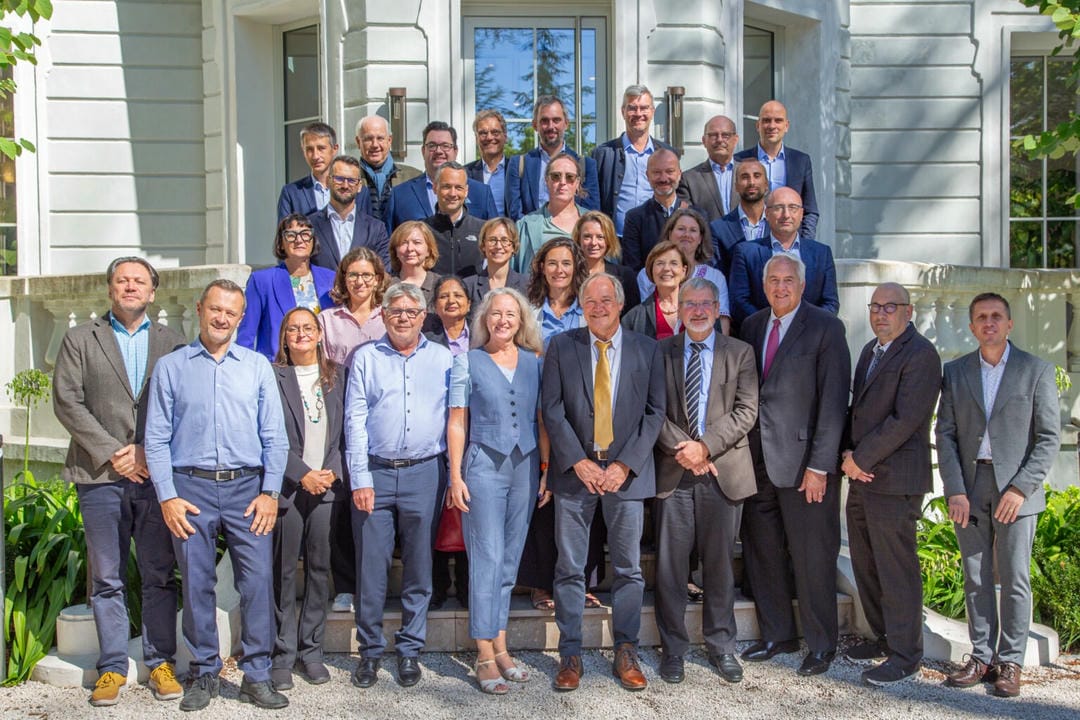
Nuclear Medicine Europe welcomed several new members in the second half of the year.


Visit the Nuclear Medicine Europe’s Members page.
Outlook for 2026
In 2026, Nuclear Medicine Europe will continue to consolidate the new formats and initiatives introduced over the past year. The Seasonal Connects, launched as a new meeting structure, will progressively become a central element of the association’s functioning. By bringing several Working Groups together in one place, these meetings are designed to facilitate coordination, simplify administrative processes, and support more efficient organisation for Members. The next editions will take place in the Netherlands, Italy, and Belgium.
Alongside these meetings, several publications are currently being finalised and will be released in the coming months, and new awareness initiatives are in preparation. Nuclear Medicine Europe will also continue to improve its communication platforms, with the aim of making exchanges between Members more fluid and accessible. Be ready for some big news in the first quarter of 2026!
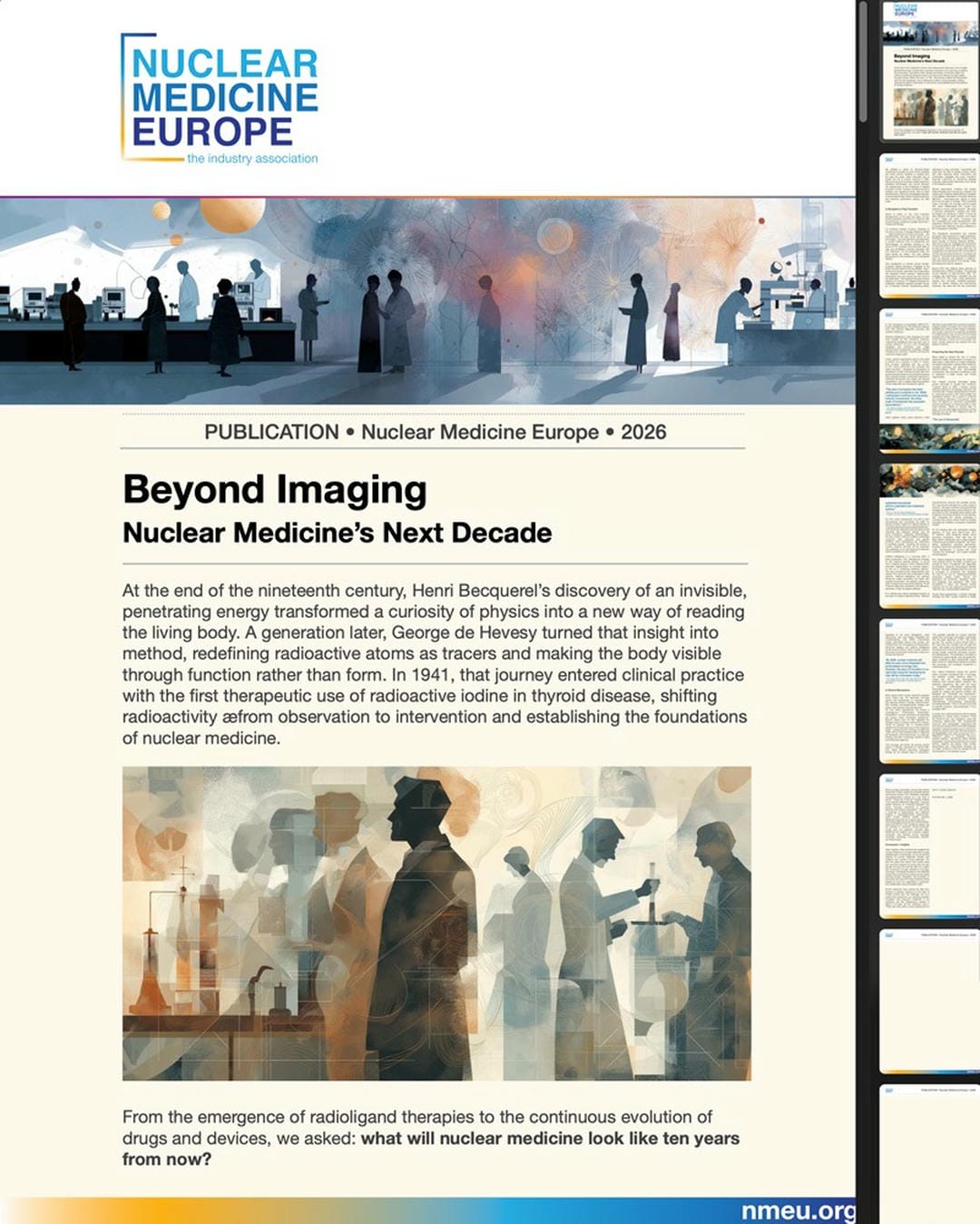
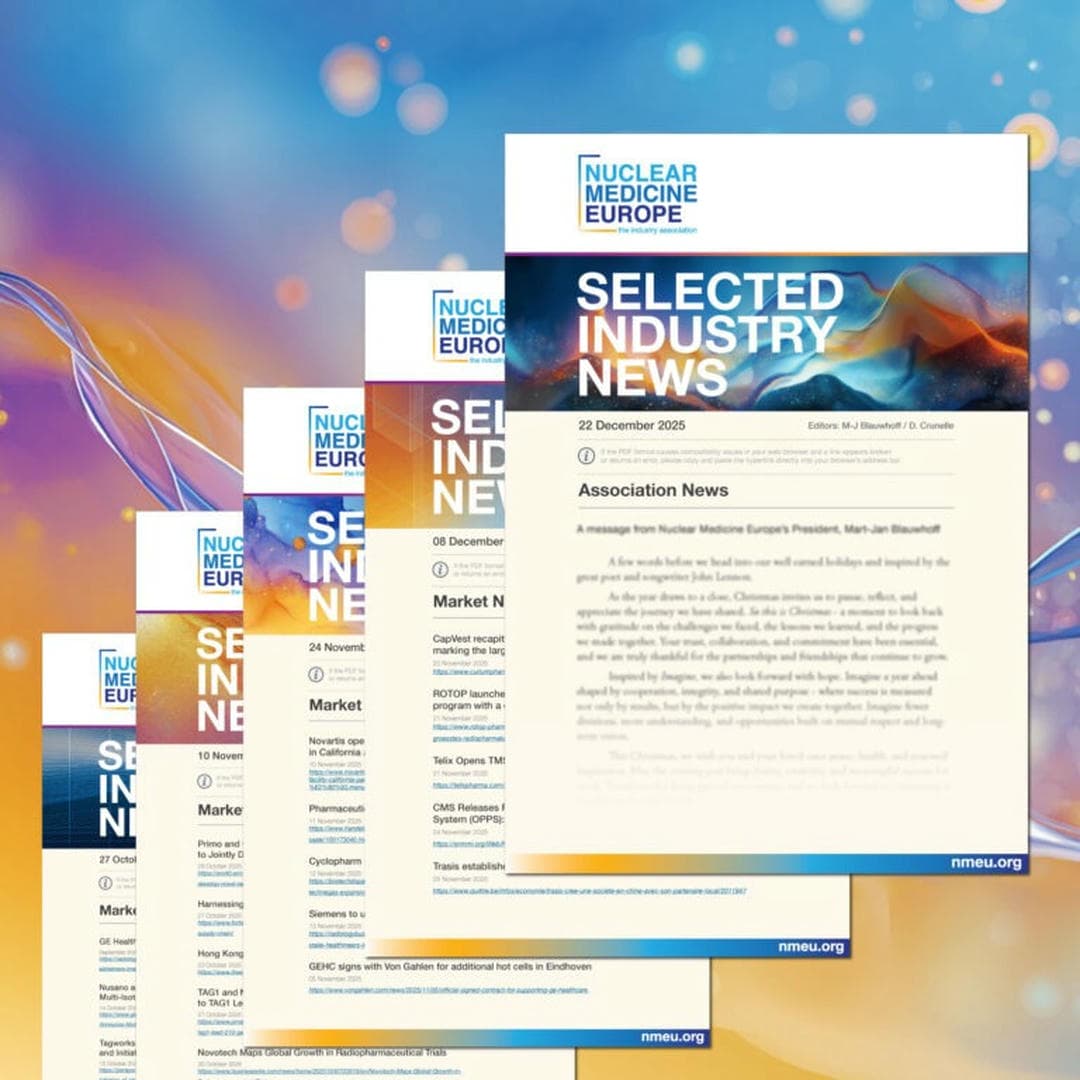
will be accessible in a new way from 2026
Thank you!
Share this report